

Tree service prices can often seem high at first glance. Often, removal, tree trimming, or pruning costs surprise clients. But these services involve far more than just labor and basic tools. First, professional tree work carries serious risks. Moreover, it demands advanced skills and equipment.
So, what does the price include? The typical list is: expensive machinery (cranes, chippers, bucket trucks, etc,), full insurance, and certified safety training. Arborists follow strict safety rules to protect workers, property, and nearby power lines.
Low prices mean cutting corners and risks for homeowners.
Understanding the True Cost of Tree Work
The cost of tree work can seem high at first. So, it is OK to wonder why removal, trimming, or pruning is so expensive. Usually, prices cover much more than labor and basic tools. Professional tree work is complex and high-risk, requiring skill, training, and costly equipment.
Expenses include cranes, chippers, and bucket trucks, as well as full insurance and certified safety training. Arborists follow strict safety standards to protect workers, property, and nearby power lines. In this field, a cheap quote usually means someone is taking shortcuts – a risk no homeowner should take.
Specialized Equipment
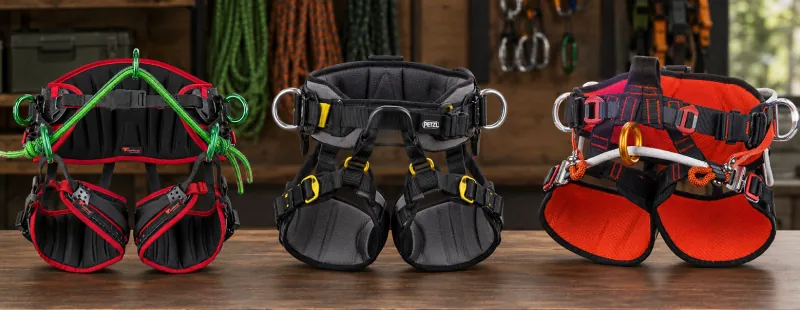
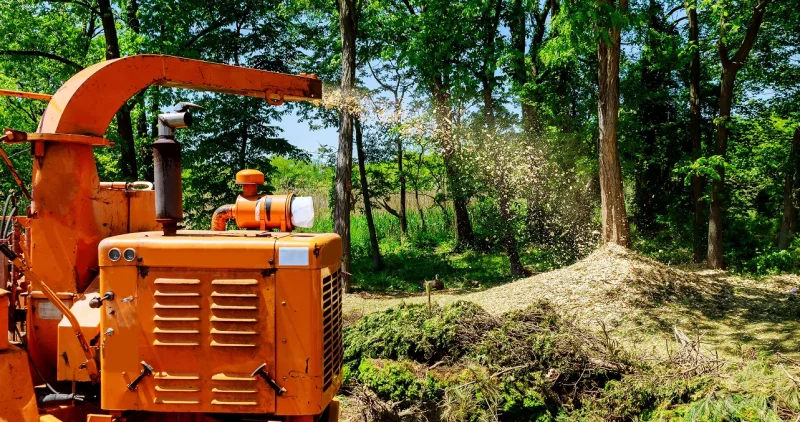
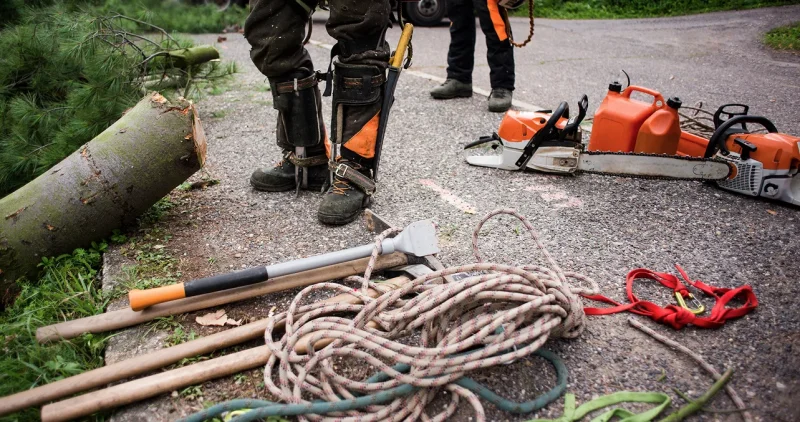
A big part of tree work costs comes from the expensive, specialized equipment needed to do the job safely. To handle large trees in tight city spaces, you need to take more than a ladder and a saw. It requires heavy equipment – bucket trucks, cranes, and wood chippers. These machines can range in price from a few thousand to several hundred thousand dollars.
Arborists often use cranes to remove big limbs or trees over houses and not cause damage. All this equipment needs regular, costly maintenance to stay safe and reliable. Well-maintained machines are essential – any failure could endanger workers, property, or bystanders. That’s why professional arborists invest heavily in quality gear and upkeep.
Skilled and Certified Labor
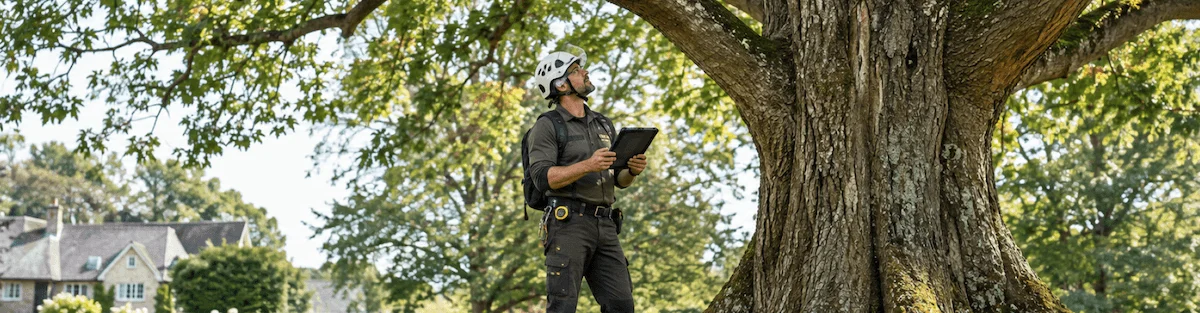
A large part of tree work costs comes from paying skilled, certified professionals. Arborists aren’t just “tree cutters”. They’re trained experts in tree health, safety, and biology. Many hold ISA (International Society of Arboriculture) certification. Earning it takes years of experience and passing several exams. Certified arborists also complete ongoing education to stay current with the latest methods.
To hire an ISA-certified arborist means that you pay for knowledge, safety, and reliability. Experts can diagnose diseases, make the right pruning or tree cutting, and safely handle complex removals. Their higher pay – often $60,000–$85,000 a year – reflects their skills and experience. It also shows the level of training required for the job. Most importantly, it represents the responsibility they carry to protect your trees and your property.
Insurance and Safety
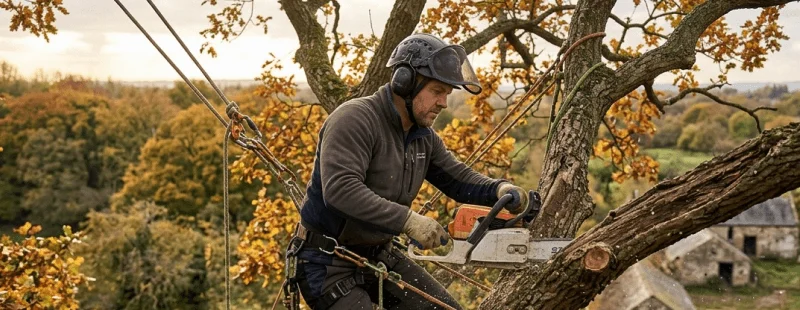
Insurance and safety compliance are among the biggest expenses in tree work. The job itself is one of the most hazardous. As we already pointed, it involves heights, chainsaws, and heavy branches close to homes and power lines. To operate legally and safely, professional companies must maintain several types of insurance:
-
General liability insurance. Covers property damage, such as when a branch hits a roof or fence. Premiums typically range from about $1,500 to over $10,000 per year, depending on company size and coverage.
-
Workers’ compensation. Pays for medical expenses and lost wages if an employee is injured on the job. Because the risk of injury is high, premiums often range from $2–$6 per $100 of payroll.
Low-cost, unverified providers often work without proper insurance putting homeowners at risk if an accident happens. Certified arborists, on the other hand, follow strict safety standards such as ANSI Z133 and OSHA guidelines.
Job Complexity and Time
Arborist work costs also depend on the tree’s size, location, and complexity. Large trees, like 80-foot oaks, need more time, labor, and equipment to remove safely than smaller ones.
Access is another key factor. If the tree is in a narrow backyard, behind fences, or on a slope, crews often have to climb and lower branches by hand. Such a process takes longer and increases risk.
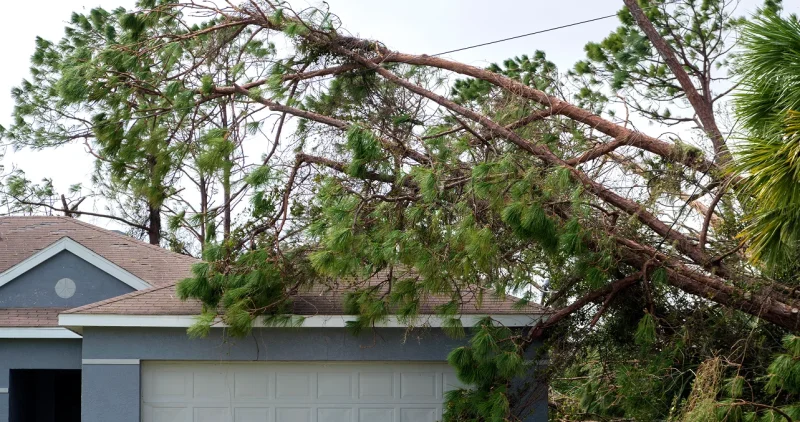
Prices also increase when trees are close to homes or power lines. Emergency work after storms is the most expensive – typically 25–50% higher – because it requires a fast response, additional crew members, and cleanup in hazardous conditions.

Regulations and Permits
In addition, local rules and permit requirements can affect the cost of tree removal, especially in cities and suburbs. Many areas have Tree Protection Bylaws that require a permit to remove trees above a certain size or those considered “heritage” or located in protected zones. Getting a permit often involves an Arborist Report and fees of $50–$250.
Removing a tree without permission can lead to huge fines – anywhere from $500 to over $100,000 per tree. That’s why professional arborists handle the permit process for clients, ensuring everything is legal and safe – a step that’s included in the final project cost.
Seasonal Demand
Tree service prices fluctuate with the seasons and unexpected events. Rates are typically lower during the off-season – from late fall to early spring – when companies may offer 15–25% discounts to keep crews working. Without leaves, trees are easier to cut, and frozen ground helps protect lawns from damage.
Prices climb in late spring and summer as demand increases and wait times grow. After major storms, emergency removals can cost 25–100% higher due to the urgency, extra equipment, and overtime required for the work.
Why the Investment Is Worth It
To hire a certified arborist means investing in safety and long-term real estate value. Healthy, well-maintained trees can boost real estate value by 15–20% and prevent costly damage.
Arborists spot and fix hidden problems: decay, pests, weak branches, etc. – before they cause harm. We can compare tree professionals with DIY. The first one has the right equipment, training, and insurance to handle dangerous jobs safely.
FAQ: Tree Work Costs
Why is tree removal so expensive compared to other services?
Tree removal requires skilled crews and specialized equipment. Trees are often dismantled piece by piece near homes or power lines. Companies also invest in cranes, chippers, bucket trucks, and costly insurance to protect workers and homeowners.
Do certified arborists really make a difference in cost?
The facts tell us that a cheap, non-certified service may, of course, offer a lower quote. And hiring an ISA-Certified Arborist is often more cost-effective over time. However, certified arborists prevent costly mistakes, because accurately diagnose tree problems, and provide the right treatments.
Should I always ask for proof of insurance?
Verifying insurance is the crucial step to protect your property and finances. Always request a Certificate of Insurance (COI) directly from the provider. Make sure the company has General Liability Insurance (for property damage) and Workers’ Compensation (for crew injuries).
Can I save money by scheduling work outside of peak season?
You can often get lower prices by scheduling tree removal or pruning in the off-season – late fall through early spring. It is because this time the demand is lower. Trees without leaves are easier and faster to work on. So arborists spend less time, and companies may offer discounts. Summer and early fall are peak times, especially after storms, when rates are higher.
Final Thoughts
Tree work is costly due to the risks involved and the need for skilled professionals. Hiring certified arborists with proper equipment, insurance, and safety training ensures the job is done safely. Tools like ArboStar help companies streamline operations, coordinate teams, and offer transparent pricing, making tree care safer and more dependable for customers.
See how ArboStar can run your tree care business
Quoting, scheduling, crews and invoicing in one place. Book a short demo and see it with your own jobs.