

Is Arborist a Dangerous Job? What the Data Shows and How Professionals Manage the Risk
Quick Summary: Yes, arborist work is among the most dangerous civilian professions in the United States. Climbing and residential tree work frequently rank in the top three deadliest civilian occupations, with a fatality rate significantly higher than the national average for all workers. The profession combines extreme heights, sharp tools, heavy machinery, and environmental hazards into a daily work environment. Primary hazards include falls from the canopy, struck-by incidents from falling branches or rolling logs, chainsaw and wood chipper injuries, and electrocution from proximity to power lines. Risk varies significantly by role: climbing arborists face the highest fall and tool-related exposure, while ground crew face the highest struck-by risk. Professional companies manage this through ANSI Z133 safety standards, PPE requirements, OSHA compliance, and ISA certification programs.
Key Entities: Bureau of Labor Statistics, BLS, TCIA, OSHA, ANSI Z133, ISA, PPE, fatality rate, struck-by, electrocution, chainsaw, wood chipper, climbing arborist, ground crew
How Dangerous Is Arborist Work Compared to Other Jobs?
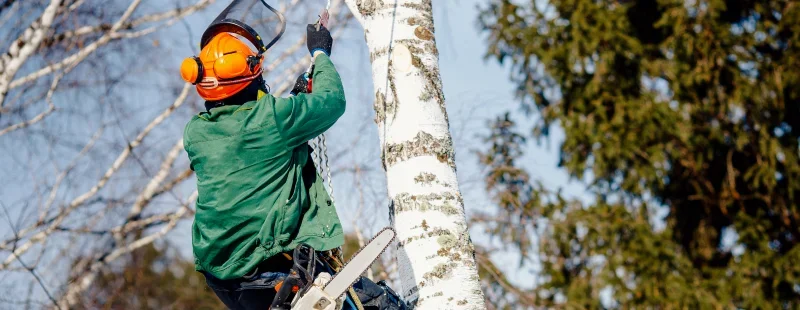
Is arborist a dangerous job in the United States specifically? Bureau of Labor Statistics arborist data gives the clearest starting point: the all-industry fatal work injury rate in the US was 3.3 per 100,000 full-time equivalent workers in 2024, according to BLS’s Census of Fatal Occupational Injuries, down slightly from 3.5 in 2023. That’s the baseline every other number in this section gets compared against.
Tree work sits far above it, though the exact multiple depends on how the data is sliced. The tree work safety statistics BLS makes available are worth walking through carefully rather than reduced to a single headline number. TCIA Magazine’s analysis of BLS figures puts the fatality rate for the specific occupation of tree trimmers and pruners at approximately 110 per 100,000, about 30 times the national average. That figure comes with a caveat TCIA itself flags: BLS doesn’t track exactly how many tree trimmers work in the US or how many hours they log annually, so the rate is a preliminary estimate built on roughly 63,700 workers rather than a fully certified BLS occupational statistic.
Look instead at the broader category BLS does track more formally, “grounds maintenance workers”, which folds tree trimmers in alongside landscapers and groundskeepers, and the picture is still severe but less extreme: recent peer-reviewed studies put that group’s rate somewhere between 16 and 20 per 100,000, roughly four to six times the national average. The gap between that figure and TCIA’s 110 estimate comes down to how narrowly “tree worker” gets defined, not a disagreement about whether the job is hazardous.
Is arborist the most dangerous job in the country? Not quite. Most rankings of the most dangerous jobs America tracks put logging just ahead, with roofing close behind, and tree care landing in the same top tier regardless. Some lists built around the officially tracked “grounds maintenance” category place tree care in the top ten rather than the top three; lists that isolate tree trimmers and pruners specifically, using TCIA’s narrower estimate, would put the job closer to the very top. Either way the numbers get sliced, tree work lands near the summit of any honest ranking of dangerous US jobs, well above trades most people would guess first.
The Four Primary Hazards of Tree Work
So, is arborist a dangerous job? Is tree climbing a dangerous profession specifically, more so than ground-level work? Most fatal and serious tree care incidents trace back to one of four causes. Some are about position in space, some about what's moving nearby, and one is invisible until the moment it isn't. Climbers and ground crew aren't exposed to all four equally, but every professional operation has to plan around each of them on every job.
Falls from Heights
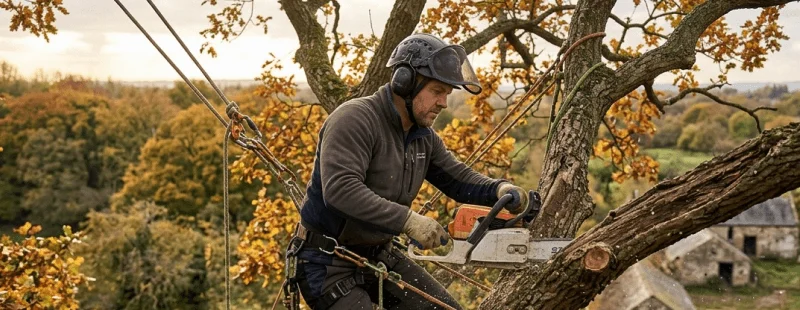
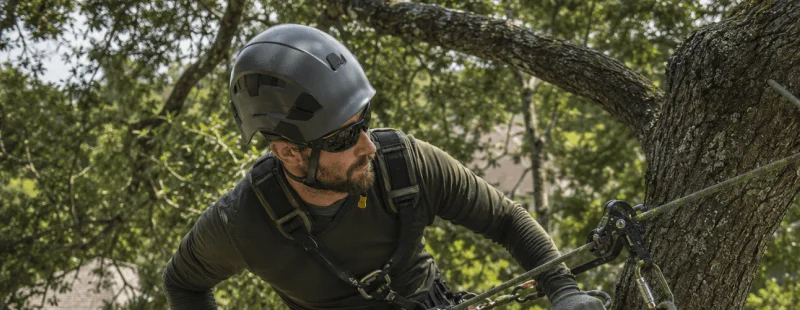
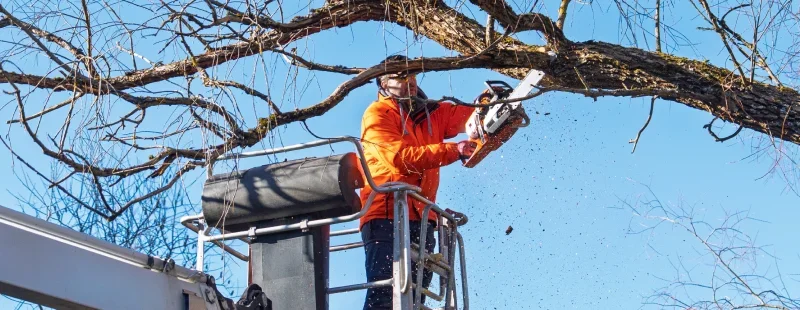
Arborist falls from height remains the leading cause of fatalities in the industry. Gravity causes more arborist deaths than any other single hazard. A climber working thirty or sixty feet up, cutting and repositioning on ropes and spurs, has less margin for error than almost any other trade. A missed tie-in point, a failed limb, or a moment of fatigue at height is often unrecoverable. Climbing arborist risks concentrate almost entirely at this stage of the job, which is why fall protection gets more training time than any other single topic.
Struck-By Incidents
Struck-by injuries arborist crews report make up the second major hazard category. Falling branches, rolling logs, and dropped equipment injure and kill both climbers and the ground crew working beneath them. This is a distinct risk category from falls: it doesn’t require anyone to lose their footing, only for a piece of wood to move in a direction someone didn’t anticipate.
Equipment and Machinery
Chainsaw injuries arborist crews sustain, alongside wood chipper accidents, are some of the trade’s most severe non-fatal injuries, including lacerations and amputations, along with a share of the fatalities. A chipper in particular gives almost no room for a second chance once a limb or piece of clothing catches.
Electrocution
Arborist electrocution risk is the hardest of the four hazards to see coming. Utility arborists and any crew working near power lines face a threat that often stays hidden until contact is made. Trees frequently grow into or near energized lines, and a wet branch or a length of chain can conduct current well before a worker physically touches a wire. The ANSI Z133 standard sets minimum approach distances specifically to manage this, and treating those distances as a firm line rather than a guideline is what separates a routine prune from a fatality report.
TCIA tree care safety data, drawn from its tracking of tree care industry fatality reports from 2020 through 2023, found 243 deaths across those four years, an average of about 61 per year, with contact-with-object-or-equipment incidents and falls together accounting for roughly seven out of ten of them. The non-fatal side of the ledger tells a similar story: an estimated 239 injuries per 10,000 tree workers involve enough time off the job to get logged, compared with about 89 per 10,000 across all industries. Put another way, tree workers who get hurt are far more likely not to survive the incident than workers in the average trade, where injuries far outnumber fatalities by a wide margin.
Risk Is Not Equal Across the Crew
The person climbing and the person on the ground face genuinely different risk profiles, even on the same job.
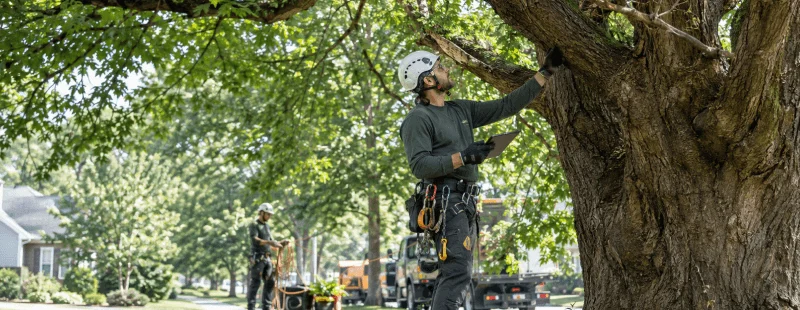
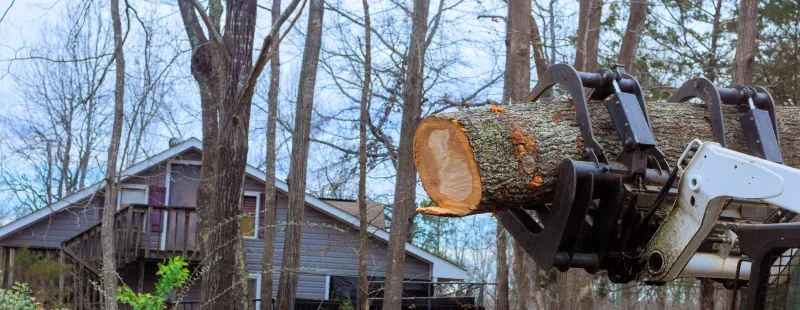
Climbers carry the highest exposure to falls, cutting-tool injuries, and electrical contact, since every task at height combines rope work with a sharp tool in hand. Ground crew risks tree work presents are different in kind: equipment operators face the sharpest exposure to struck-by incidents and to being caught in machinery like chippers, where a moment’s inattention near a running feed wheel can be catastrophic.
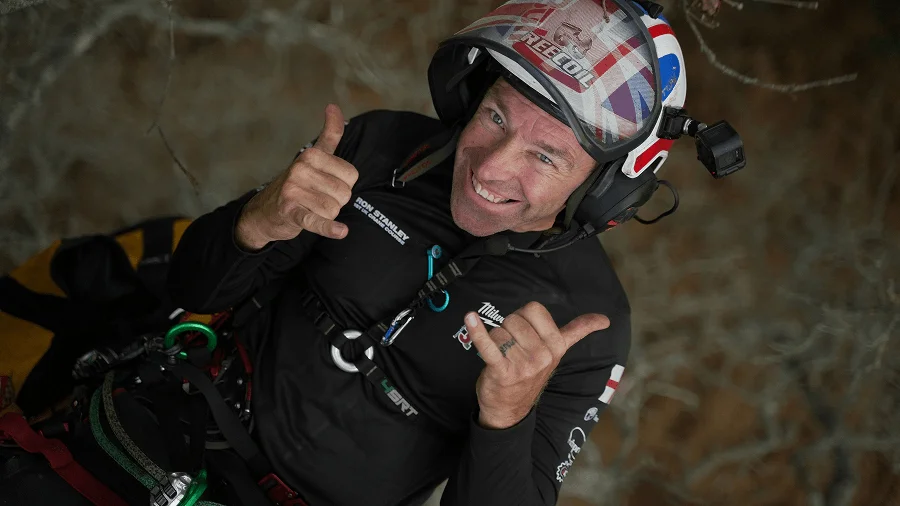
Experience level matters as much as role. TCIA data shows that most fatal tree care accidents involve workers with fewer than three years in the trade, which points to training and supervision as a central safety factor alongside equipment. A useful illustration of what disciplined, supervised tree work looks like in practice comes from competitive climbing events like the Georgia Tree Climbing Championship, where six judges track a single competitor, a safety technician stays harnessed in the tree throughout, and climbers are required to call out loud every action during a simulated aerial rescue. That level of oversight is unusual on a normal job site, but it shows the standard the industry holds up as the goal.
How Professional Tree Care Companies Manage the Risk
None of the hazards above are unmanageable. They’re the reason a specific set of standards and credentials exists in this trade, and why hiring a company that follows them is not a formality.
-
ANSI Z133 is the ANSI Z133 safety standard that governs tree care operations in the US, covering minimum approach distances to power lines, required PPE, rigging procedures, and crew training. It’s the baseline professional operations build their safety programs around, not an optional add-on.
-
OSHA compliance applies depending on the type of work, and OSHA tree work regulations are more fragmented than most people expect: logging-specific operations fall under 29 CFR 1910.266, while much arborist work is governed by OSHA’s General Industry or Construction standards, along with the agency’s General Duty Clause, since there’s currently no single dedicated national standard for tree trimming.
-
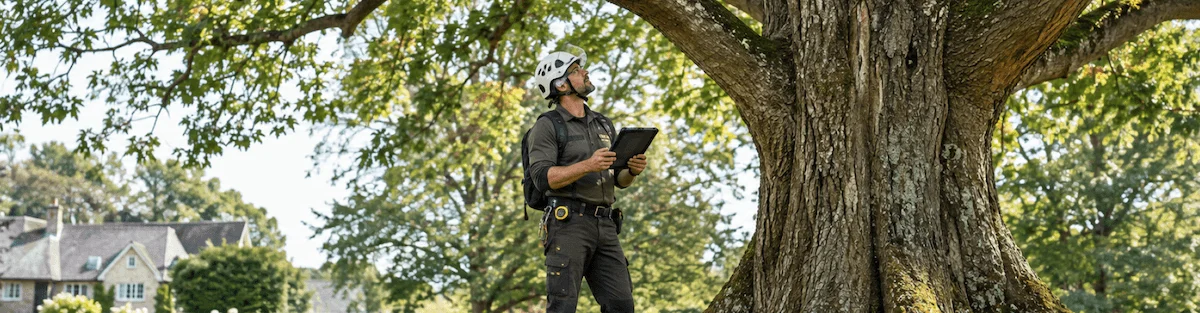
ISA certification requires arborists to demonstrate knowledge across rigging, climbing technique, and hazard identification. ISA certified arborist safety training covers exactly the areas most fatal accidents trace back to, which is why hiring an ISA Certified Arborist is a reasonable proxy for verified safety competence rather than tree knowledge alone.
-
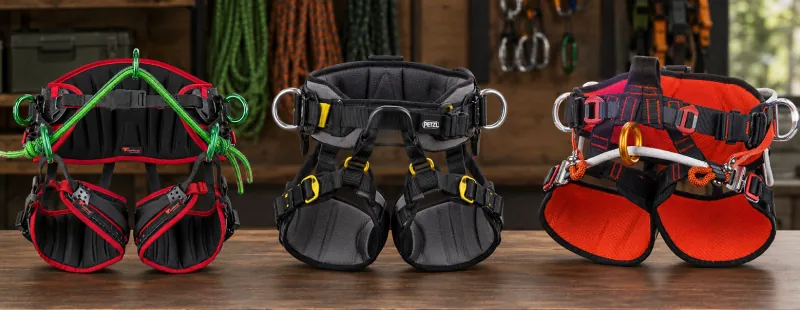
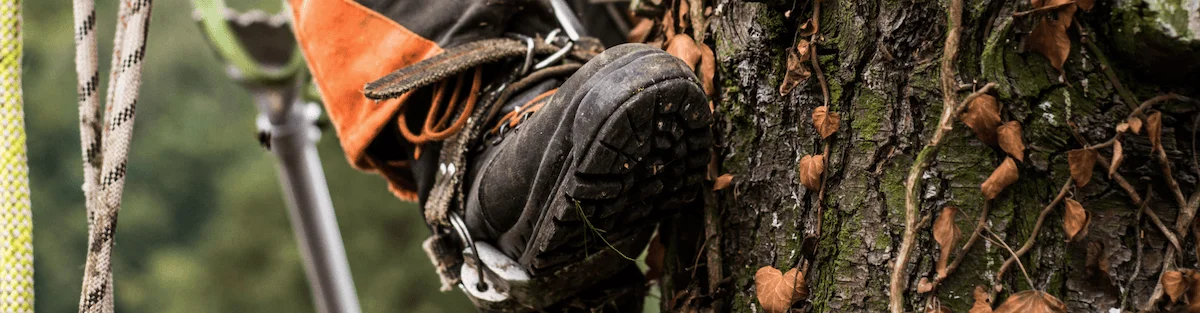
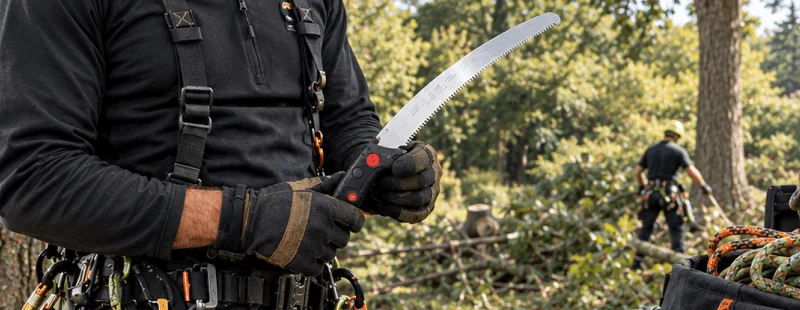
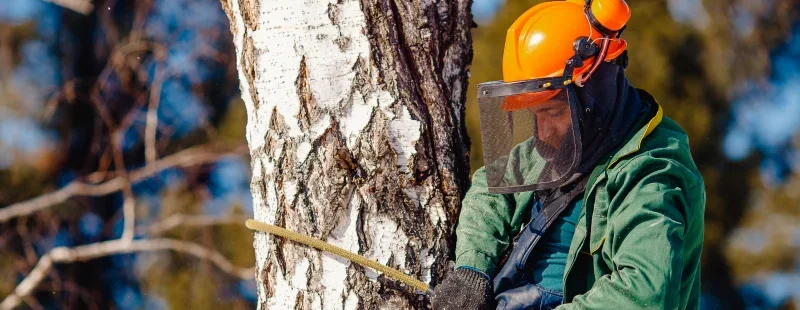
Required PPE arborist personal protective equipment on a professional crew includes a helmet, eye protection, chainsaw-resistant chaps, a climbing harness, gloves, and a high-visibility vest. This is the same equipment described in coverage of competitive climbers: harnessed, helmeted, carrying ropes, carabiners, and metal rigging devices as standard kit rather than special preparation.
-
Documentation ties all of this together. Professional operations keep records of crew certifications, site safety assessments, and incident history, which matters for insurance renewals, workers’ comp claims, and OSHA audits alike. For a closer look at the day-to-day safety practices this depends on, see our guide to essential safety rules every arborist should know and our breakdown of climbing techniques and safety. This is one place ArboStar’s arborist CRM fits directly into daily operations: certifications, safety check-ins, and job-level documentation attached to the same record as the work itself, which keeps that paper trail intact without a separate manual process.
Why Arborist Work Costs What It Costs
For homeowners comparing quotes, the danger of the job explains a meaningful part of the price.
Arborist workers compensation for tree service falls under NCCI class code 0106, one of the highest-rated classifications in the entire system, with base rates that can run several times higher than most other trades in the same state. That cost gets built into every job estimate a legitimate company sends out, which is a large part of why tree service insurance cost comparisons between companies rarely line up. Specialized gear, climbing equipment, and chainsaw-resistant protective clothing represent a real per-worker expense that has to be replaced on a schedule, not bought once. Liability coverage has to be sized for high-value claims too: a branch through a car or a roof is an expensive repair, and a company without adequate coverage is passing that exposure straight to the client. ISA certification and ongoing training cost time and money that an uncertified operator simply skips, which is a large part of why a licensed, insured company’s quote sits above a cash crew’s.
Is arborist a dangerous job in New Jersey? In Pennsylvania? The underlying hazards don’t change at a state line, but insurance rates and licensing requirements do, so a suspiciously low quote in a high-rate state is worth a second look before signing anything. There’s also a liability angle that’s easy to miss: if an uninsured worker is injured on your property, the homeowner can end up holding some of that liability. Checking for current insurance and licensing before hiring is about avoiding inherited risk as much as it is about getting quality work. For homeowners who want the fuller picture, our articles on what every arborist business needs for insurance and the key legal aspects of liability and insurance go into the specific coverage types worth asking about before signing a contract.
FAQ
Is it dangerous to be an arborist?
Yes. Tree trimming and pruning consistently rank among the most hazardous civilian occupations in the US, driven by the combination of height, sharp tools, heavy equipment, and power line proximity in a single job.
What is the fatality rate of arborists?
TCIA’s analysis of BLS data puts the arborist fatality rate – for tree trimmers and pruners – at approximately 110 per 100,000 full-time workers, against an all-industry average of 3.3. The broader “grounds maintenance workers” category BLS tracks more formally, which includes tree trimmers, shows a lower but still elevated rate in the range of 16 to 20 per 100,000.
What is the most dangerous part of arborist work?
Falls from height are the leading cause of death for climbers. Struck-by incidents from falling branches and logs are the leading cause for ground crew. Proper training, required PPE, and ANSI Z133 compliance address both.
Is arborist work more dangerous than logging?
Logging typically posts a higher raw tree work fatality rate and is usually cited as the single most dangerous US occupation. Tree care sits close behind. One practical difference is that arborists usually work in residential and urban settings, close to homes, vehicles, and bystanders, rather than in open forest.
Do arborists have a high injury rate?
Yes, well beyond fatalities alone. TCIA cites a non-fatal injury rate for tree workers of about 239 per 10,000, compared with roughly 89 per 10,000 across all industries. Common non-fatal injuries include lacerations, crush injuries, fractures, and electrical burns.
See how ArboStar can run your tree care business
Quoting, scheduling, crews and invoicing in one place. Book a short demo and see it with your own jobs.