

Tired of spending your evenings on paperwork, chasing invoices, and watching crews waste hours driving across town?
In 2026, Australian arborists face rising labour costs, high fuel prices, strict safety rules, and demanding customers. Many owners still lose valuable time to manual scheduling, spreadsheets, and messy admin – time that could be spent earning money in the trees. The right arborist software fixes this. It helps you quote faster, optimize routes, track true job profitability, send instant invoices, and keep safety documents organised.
In this 2026 review, we compare the 7 best arborist software tools built for Australian tree care businesses. Whether you run a single truck in Brisbane, a growing crew in Melbourne, or a multi-team operation in Perth, you’ll discover which tool best fits your needs – so you can cut overhead, protect your margins, and get back to what you love most.
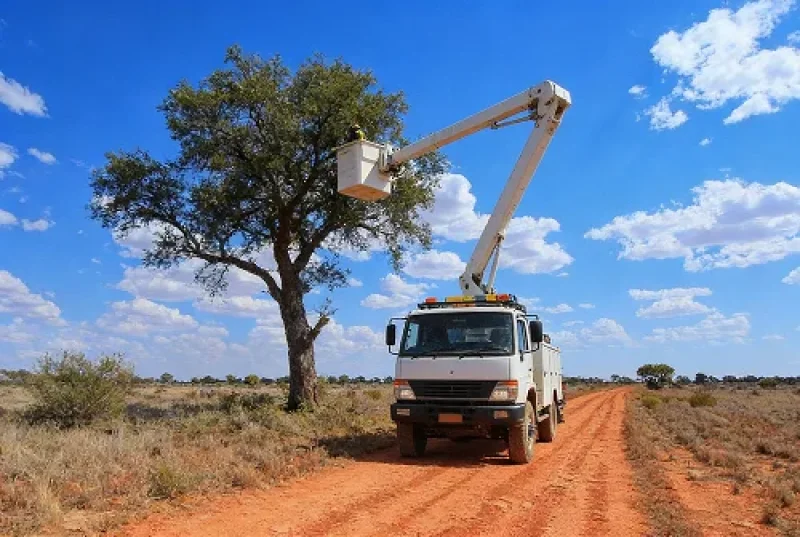
Why Australia Requires Specific Arboriculture Software
Not all tree care software works the same way around the world. Many Australian arborists discover this the hard way when they try to use popular American or generic tools. What looks good on paper often creates extra headaches because it doesn’t understand local rules and business realities.
Here’s why you need software built with Australia in mind:
-
AS 4970-2009 Compliance: Australian consultants and councils require detailed reports based on the AS 4970-2009 standard for tree protection on development sites. Most U.S. tools don’t support this properly, forcing you to do extra manual work or risk non-compliant reports that get rejected by councils.
-
GST & BAS Reporting: You need seamless, direct integration with Xero so GST is calculated correctly and BAS reports can be generated automatically. Without this, many owners waste Sunday afternoons fixing spreadsheets and chasing receipts.
-
WHS Laws and Local Safety Standards: Australian Work Health and Safety (WHS) regulations differ significantly from OSHA in the US. You need built-in features for local risk assessments, SWMS (Safe Work Method Statements), incident reporting, and compliance records that actually meet SafeWork Australia requirements.
Generic software might handle basic scheduling and invoicing, but it often falls short when it comes to these critical Australian-specific needs.
Choosing the best arborist software in Australia means less time fixing problems and more time running a profitable, compliant operation. The tools that understand local regulations help you avoid costly mistakes, reduce admin stress, and keep your focus where it belongs – on the trees and your crew.
1. ArboStar (Best All-in-One ERP for AU Tree Care)
ArboStar delivers a complete business management platform tailored specifically for Australian tree care companies. Built for businesses that want to move beyond basic tools and truly scale, it combines operations, finance, and compliance in a single powerful system.
| Feature | Description |
|---|---|
| Full AU Financial Suite | Instant two-way sync with Xero, GST-compliant quoting, automatic BAS-ready reports, and precise job costing that follows Australian tax rules |
| Intelligent Crew Management | Real-time GPS tracking designed for Australia’s vast distances, smart routing to cut windshield time in major cities and regional areas, plus live crew visibility |
| WHS Compliance | Pre-built safety checklists and forms that meet Safe Work Australia 2023 standards, simple SWMS creation, incident reporting, and fully audit-ready records |
| Job Quoting & Pricing | Professional quoting templates for tree removal, pruning, stump grinding, and consultations with automatic labour burden calculations |
| Mobile App for Field Crews | Full-featured mobile app that works offline in remote areas, allowing crews to clock in/out, complete safety forms, and update job status in real time |
| Reporting & Analytics | Custom dashboards showing profit per crew, utilisation rates, and overhead costs to help you track and improve margins |
| Customer Portal | Self-service customer portal for booking, viewing quotes, and paying invoices online |
Verdict: ArboStar is the most powerful and complete all-in-one solution for Australian tree care businesses looking to grow from 3 crews up to 20+ crews. It gives you strong financial control, excellent operational efficiency, and full local compliance in one platform. If you are serious about scaling professionally while protecting your profit margins, ArboStar is currently one of the strongest options available in 2026.
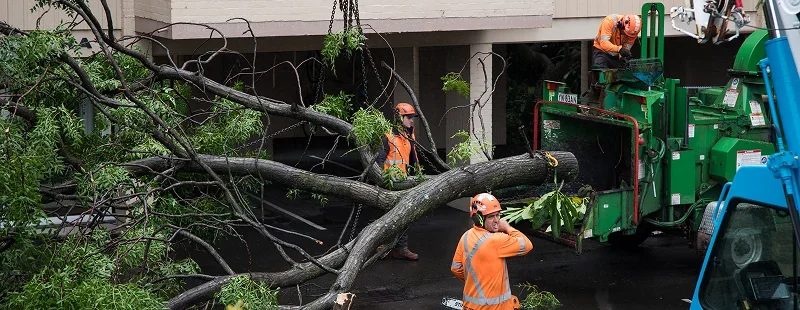
2. ArborCAD (Best for Specialist Consulting)
If your business focuses heavily on arborist consulting, tree assessments, and development site reports, ArborCAD is a specialised tool worth considering.
While it is not a full all-in-one ERP like ArboStar, it excels in one very important area: producing accurate, professional reports that Australian councils and consultants demand.
Here are the standout features for consulting work:
-
Built-in TPZ and SRZ Calculations: Automatic calculation of Tree Protection Zones (TPZ) and Structural Root Zones (SRZ) according to AS 4970-2009 standards – saving you hours of manual work.
-
Native Australian Tree Symbols and Reporting: Professional drawing tools with locally recognised tree symbols, easy creation of compliant reports, and clean export options for councils and planners.
Verdict: ArborCAD is an excellent specialised tool for arborists who mainly provide consulting, tree risk assessments, and development reports. It does a great job in its niche, but it lacks the full crew management, quoting, and financial features needed for larger field service operations. Best suited for consultants or businesses where reporting makes up the majority of their work.
3. ArborSafe (Best for Municipal Asset Management)
For arborists who regularly collaborate with local councils, government departments, parks authorities, or large property estates, ArborSafe provides a highly specialised solution.
Unlike a complete all-in-one platform like ArboStar, ArborSafe focuses sharply on managing thousands of trees across wide areas with accuracy and professionalism.
Here’s what makes ArborSafe particularly effective in its niche:
-
Large-scale GIS Inventory: Advanced mapping tools that help you build, maintain, and visualise detailed tree inventories for entire suburbs, cities, or major estates.
-
QTRA Integration: Built-in support for Quantified Tree Risk Assessment (QTRA), making it easy to carry out professional, standardised risk assessments that meet Australian government and institutional requirements.
-
Municipal Reporting Tools: Strong reporting features designed specifically for council submissions, compliance audits, and presentations to stakeholders.
-
Long-term Tree Asset Tracking: Clear tracking of tree health, maintenance history, and risk levels across large portfolios of trees.
Verdict: ArborSafe is an excellent specialist tool for arborists focused on municipal contracts, council work, or large-scale asset management. It delivers outstanding GIS and risk assessment capabilities, but it offers limited support for day-to-day crew scheduling, quoting, invoicing, or general field operations. It works best for businesses that specialise in government and institutional tree management rather than everyday residential or commercial tree services.
4. JGID – Just Get It Done (Best for Tradie Workflows)
Australian tradespeople often say that the best tools are the ones built by people who actually understand local jobsites. JGID (Just Get It Done) is exactly that – a practical, no-nonsense tree management software AU created right here in Australia for tradies and arborists who want simple, effective workflows.
While it may not offer the deep municipal GIS features of ArborSafe or the full ERP power of ArboStar, JGID excels at making everyday operations smoother and faster.
Here’s what makes JGID a favourite among many Australian tree care teams:
-
Built by Australians for Australian Trades: Designed locally with a clear understanding of how Aussie arborists and tradies actually work on the ground.
-
Powerful Quoting System: Fast and flexible quoting tools tailored for tree pruning, removals, stump grinding, and site-based work, with easy price list management.
-
Strong Site Safety Focus: Straightforward safety checklists, SWMS templates, and compliance features that help you meet WHS requirements without unnecessary complexity.
-
Local Support & Simplicity: Responsive Australian-based support team and an interface that feels familiar and easy to adopt for busy crews.
Verdict: JGID is an excellent choice for small to medium Australian tree care businesses that want straightforward, trade-friendly software with strong local support. It shines in quoting speed and daily workflow efficiency, but it lacks some of the advanced scaling and analytics features found in larger all-in-one platforms. Ideal if you value simplicity and Australian-made reliability over complex enterprise tools.
5. ArborNote (Best for Visual Mapping)
Some arborists prefer tools that make mapping and visual planning feel effortless rather than complicated. ArborNote was built exactly for that purpose – to turn complex tree mapping into something quick, clean, and intuitive.
While it doesn’t try to be a full business management system like ArboStar or a heavy municipal platform like ArborSafe, ArborNote focuses on one thing and does it very well: making GIS and tree mapping simple and fast for field teams.
Here’s what sets ArborNote apart:
-
Cloud-based Visual Mapping: Easy-to-use mapping interface that lets you plot trees, create work zones, and update inventories directly from your phone or tablet.
-
High-Speed Field Data Entry: Designed for quick input even while standing under a tree – minimal taps, voice notes, and fast photo attachment so crews spend less time on screens and more time working.
-
Intuitive Tree Visualisation: Clear visual layouts, colour-coded risk levels, and simple drag-and-drop tools that help both field crews and office staff understand the site at a glance.
-
Real-time Sync: Changes made in the field appear instantly for the whole team, reducing miscommunication between crews and the office.
Verdict: ArborNote is a smart pick for arborists who rely heavily on mapping, tree inventories, and visual planning. Its strength lies in ease of use and speed in the field, making it ideal for mid-sized businesses or teams that want powerful GIS features without a steep learning curve. However, it offers less depth in quoting, invoicing, and full financial management compared to broader all-in-one solutions.
6. Urban Arbor (Best for Council Reporting)
When it comes to dealing with local councils and planning authorities, the smallest details in your reports can make or break a project. Urban Arbor was created specifically to make this part of the job much easier for Australian arborists.
Instead of offering a wide range of general business tools, Urban Arbor concentrates on what many consultants and tree care companies struggle with most – producing clean, compliant, and professional reports that councils actually accept without back-and-forth.
Here’s where Urban Arbor really delivers:
-
Specialised Council Report Templates: Ready-made, professional templates designed for Australian local government requirements, including tree assessment reports, development applications, and retention plans.
-
AS 4970-2009 Built-in Support: Automatic formatting and calculations that align with the Australian Standard for tree protection on development sites.
-
Streamlined Compliance Workflow: Simple step-by-step process that helps you compile risk assessments, photos, drawings, and recommendations into polished final documents.
-
Local Council Knowledge Base: Regular updates based on feedback from councils across different states, so your reports stay current with changing local expectations.
Verdict: Urban Arbor is an excellent specialised tool for arborists who frequently prepare reports for councils, planners, or development projects. It saves significant time on documentation and reduces the risk of rejected submissions. However, it is not a full operational platform, so it works best as a complementary tool rather than a complete replacement for broader job management software.
7. Zuper (Best for Custom Scaling)
Every tree care business grows differently. Some need simple tools, while others require a system that can be shaped exactly to their unique way of working. Zuper was built for those who want flexibility and control as they scale.
Rather than offering a rigid, pre-packaged solution, Zuper stands out because of how much you can customize it to fit your own processes, teams, and growth plans.
Here’s what makes Zuper a strong contender for growing Australian arborist businesses:
-
Highly Configurable Mobile Apps: Fully customisable field apps that let you design crew dispatching, job cards, safety forms, and data collection exactly the way your teams work on the ground.
-
Flexible Workflow Builder: Drag-and-drop tools that allow you to create your own processes for quoting, scheduling, approvals, and follow-ups without needing expensive developers.
-
Scalable Architecture: Starts simple for smaller teams and can grow with you – adding new crews, locations, or complex reporting requirements as your business expands.
-
Open Integration Options: Strong ability to connect with other Australian tools, including Xero, MYOB, and various mapping platforms.
Verdict: Zuper is ideal for Australian tree care companies that want a highly flexible platform and are ready to invest time in setting it up their own way. It offers excellent customisation for crew dispatching and mobile operations, but it may feel overwhelming for very small teams who prefer something ready-to-use out of the box. Best suited for businesses with 5+ crews that value control and scalability over simplicity.
Buyer’s Guide: What AU Arborists Should Ask
Choosing the right arboriculture software in Australia is a big decision. Before you commit to any platform, it pays to ask the right questions. The answers will quickly show whether a tool is truly suitable for Australian tree care businesses or if it will create more problems than it solves.
Does it support Australian tree species databases?
Many generic tools only include North American or European tree species. Make sure the software you choose has a solid database of common Australian trees – including eucalyptus, acacia, melaleuca, banksia, and palm varieties. A good system should allow you to quickly select local species, record growth habits, and generate accurate reports without having to manually add every tree type yourself.
Can it calculate TPZ and SRZ automatically according to AS 4970?
This is one of the most important questions for any arborist doing consulting or development work. The tree inventory software in Australia should automatically calculate Tree Protection Zones (TPZ) and Structural Root Zones (SRZ) based on the latest AS 4970-2009 standard. Manual calculations take time and increase the risk of errors. Look for built-in tools that do this accurately and generate compliant drawings and reports.
Does it provide local AU-based support during Australian business hours?
When something goes wrong in the field or during end-of-month BAS reporting, you don’t want to wait 12–24 hours for a reply from overseas support. Check whether the company offers phone and email support from Australia during normal business hours (AEST/AEDT). Local support teams usually understand Australian regulations, tax rules, and WHS requirements much better than offshore teams.
Asking these three questions upfront will help you avoid tools that look good on the surface but fall short once you start using them in real Australian conditions. A platform that answers “yes” confidently to all three is far more likely to support your business properly as it grows.
Conclusion
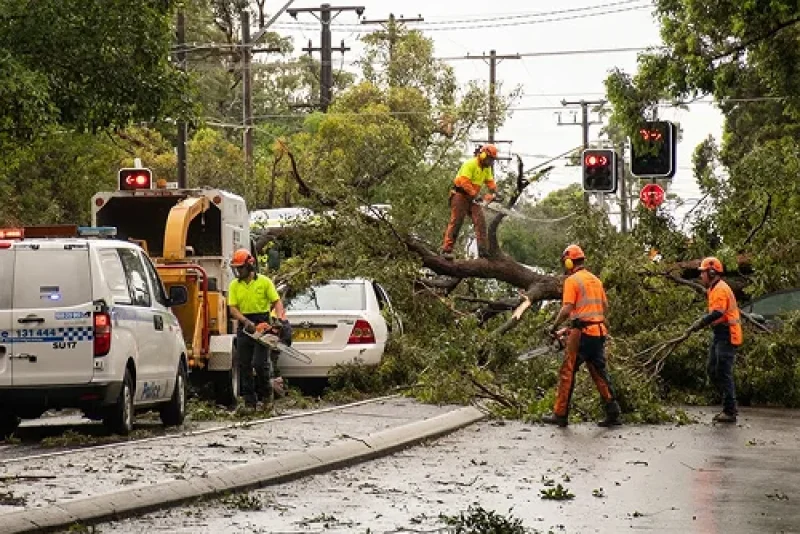
The Australian tree care market has its own unique demands – from strict WHS regulations and AS 4970 standards to seamless GST handling and integration with Xero. Using a generic overseas tool often leads to extra manual work, compliance headaches, and lost time that could be spent growing your business.
Don’t settle for software that forces you to work around its limitations. The right platform should feel like it was built for Australian arborists, not adapted for them.
If you’re ready to move your tree service business forward in 2026, take the next step today. Book a personalised demo of ArboStar and see firsthand how its Australia-specific features handle GST-compliant quoting, BAS reporting, Safe Work Australia compliance, and intelligent crew management.
Discover whether ArboStar can genuinely simplify your operations and protect your margins – the way only a tool designed for Australian conditions can.
See how ArboStar can run your tree care business
Quoting, scheduling, crews and invoicing in one place. Book a short demo and see it with your own jobs.