

Arborists tend to think first about chainsaws and climbing gear when it comes to equipment, and brands like Husqvarna get most of the attention. Boots get overlooked more often than they should, given how much of the job happens standing, climbing, or balancing on uneven ground. Here’s what actually matters when picking a pair, and a few models worth looking at.
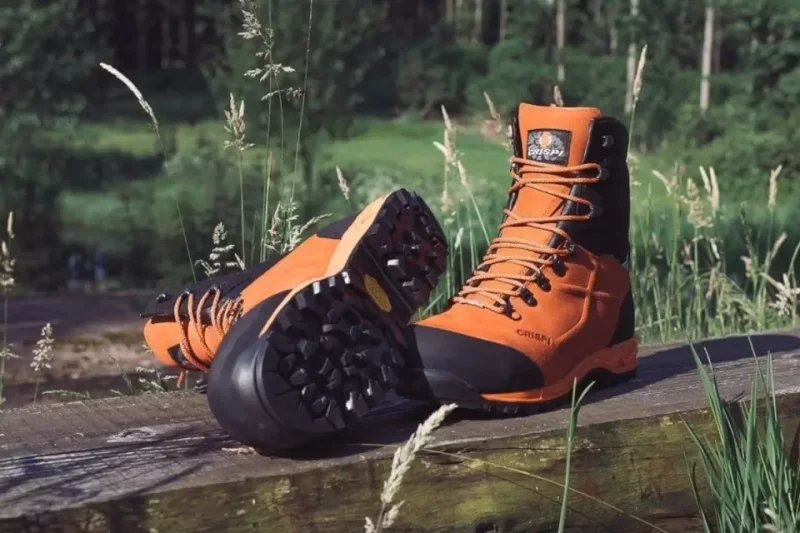
Why Quality Boots Matter for Arborists
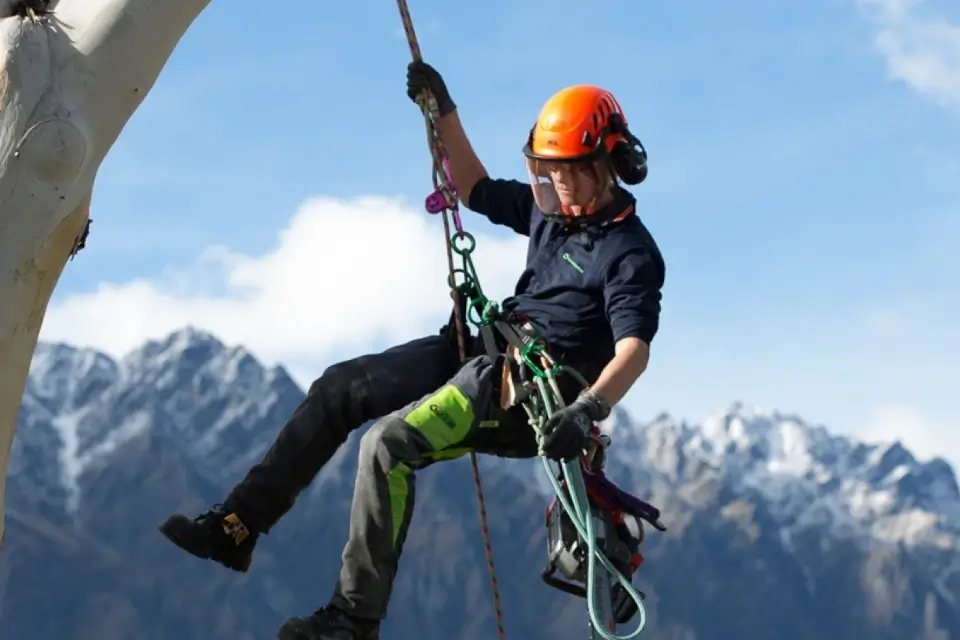
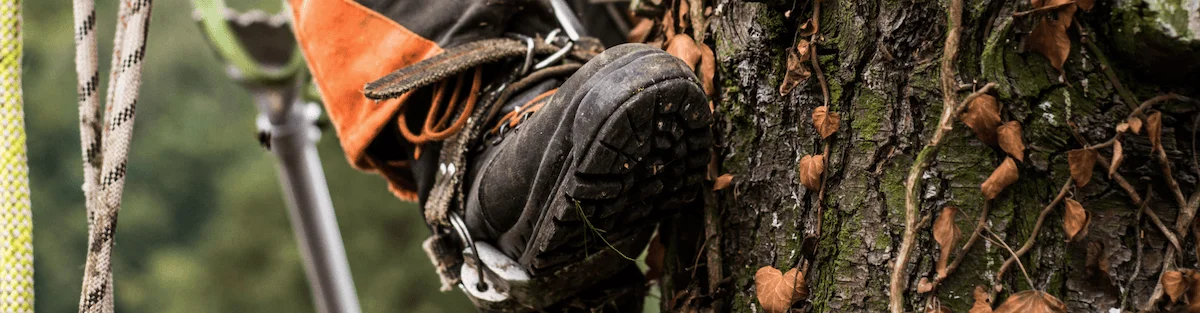
Arborists spend a lot of the working day climbing, balancing on uneven terrain, and handling tools that can do real damage if something goes wrong. Boots matter for a few specific reasons: grip that holds on wet bark or loose ground, protection from sharp debris, falling branches, and the outside chance of a chainsaw slipping, ankle support that keeps a misstep from turning into an injury, and enough comfort to get through a full day without your feet giving out before the job does.
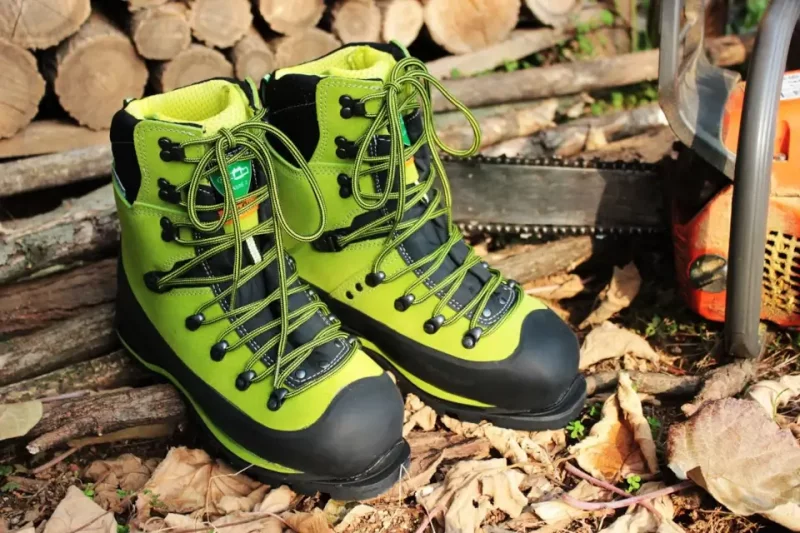
Boots Features to Look For
A few things are worth prioritizing over everything else when you’re shopping for a pair:
-
Traction: look for a tread pattern built for climbing, not just for walking around on flat ground.
-
Water resistance: wet feet make for a miserable day, and a less safe one.
-
Durability: the materials should hold up to abrasion and constant flexing, not just look rugged in a product photo.
-
Ankle support: a snug, higher-cut boot cuts down on rolled ankles on uneven ground.
-
Chainsaw and toe protection: with chainsaws from brands like Husqvarna capable of doing serious damage in a split second, this is one spot where it doesn’t pay to cut corners.
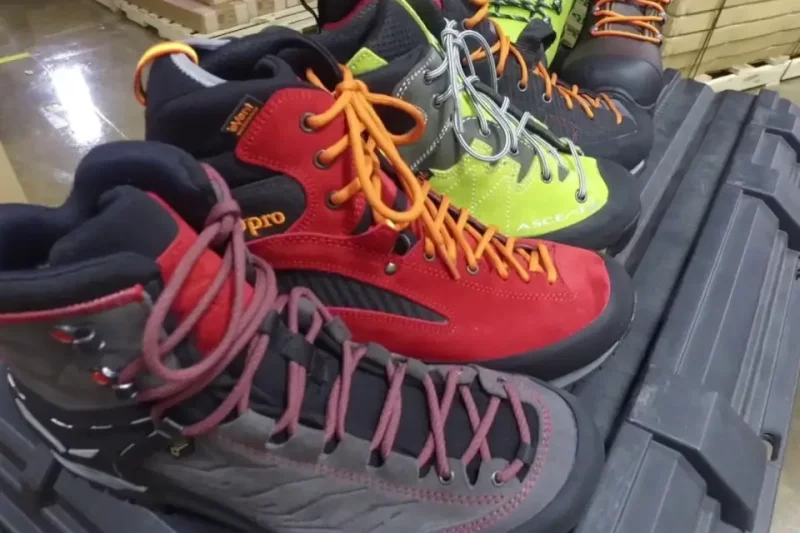
A Few Boots Worth Looking At
There’s no shortage of boots marketed to arborists, but a few names come up again and again:
-
Haix’s Protector series is known for chainsaw protection paired with a grip that holds up on wet bark.
-
Arbpro’s EVO 2 is lighter than most boots in its class, without giving up much in ankle support.
-
Arbortec’s Scafell Lite combines chainsaw protection with a genuinely waterproof build, rather than just water resistance.
Specs and lineups change from year to year, so it’s worth checking current reviews before buying rather than going on brand name alone.
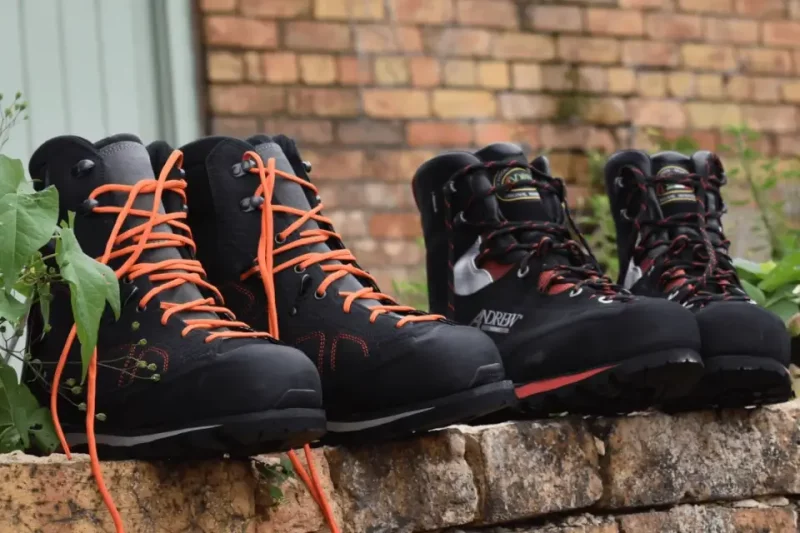
Maintenance and Care
A little upkeep goes a long way toward getting the full lifespan out of a pair:
-
Clean them after every job. Brush off dirt and debris rather than letting it dry in and work its way into the material.
-
Reapply waterproofing over time. Even boots that are water-resistant out of the box benefit from a waterproofing treatment as that coating wears down.
-
Store them properly. Somewhere dry and out of direct sunlight, rather than left in the truck.
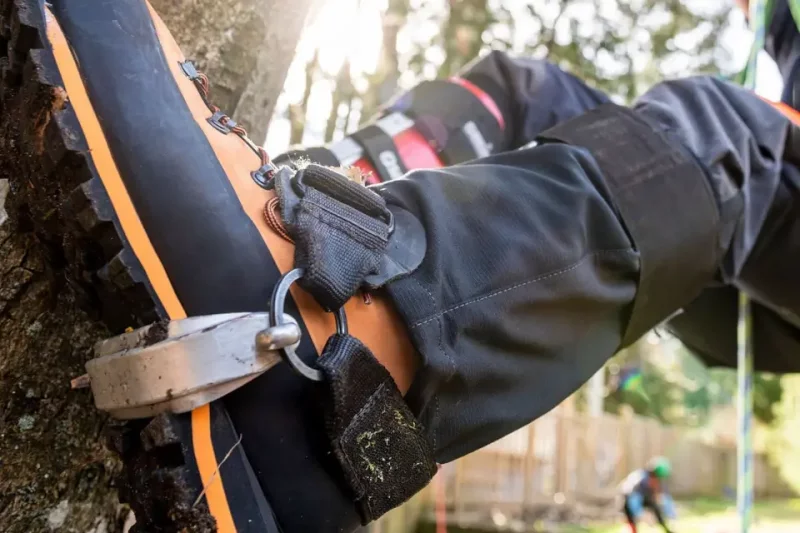
Boots Are Part of the Gear List Too
Boots are as much a piece of working equipment as anything else on a crew’s list, right alongside the chainsaw and whatever’s running the schedule behind it. If you’re already tracking jobs through software like ArboStar’s CRM, it’s worth logging PPE like boots the same way you’d log any other piece of equipment. Good boots won’t make you a better climber, but bad ones will slow you down and eventually get in the way.
FAQ
Are arborist boots really different from regular work boots?
Yes. The main differences are grip built for climbing rather than walking, higher ankle support, and chainsaw and toe protection, none of which a standard work boot is built around.
What’s the most important safety feature to look for?
Chainsaw and toe protection tends to matter most, given how much damage a chainsaw can do in a split second if something goes wrong.
Do water-resistant boots need extra care?
Yes. Even boots that are water-resistant when new benefit from reapplying a waterproofing treatment over time, as that original coating wears down with use.
Which boot brands come up most often for arborists?
Haix’s Protector series, Arbpro’s EVO 2, and Arbortec’s Scafell Lite are three names that show up consistently. Specs change year to year, so it’s worth checking current reviews before buying.
How should arborist boots be stored between jobs?
Somewhere dry and out of direct sunlight, rather than left in the truck, where heat and damp can break down the material faster.
Does business software like ArboStar have anything to do with boots?
Not directly, but if you’re already using a system to track equipment and PPE, logging boots the same way as any other gear makes it easier to stay on top of replacement schedules.
See how ArboStar can run your tree care business
Quoting, scheduling, crews and invoicing in one place. Book a short demo and see it with your own jobs.