

Trends in Arborist Gear: Ensuring Safety and Efficiency in Tree Care
Safety and efficiency are the two things arborists care about most when it comes to their tools and equipment. Arborist gear has changed a lot in recent years, driven by new materials and technology. This article covers some of the current trends in arborist gear, and what they mean for tree structure and professional tree care.
Improved Safety Equipment
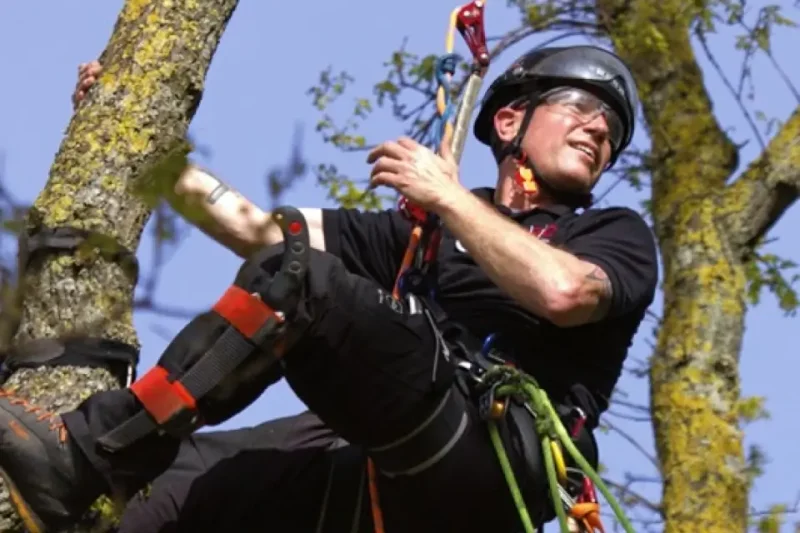
Safety always comes first for arborists. Recent gear has moved toward protective equipment that’s more comfortable to wear for a full shift. Helmets, for example, now include ventilation that keeps the wearer cool during strenuous work while still meeting protection standards. Many also pair an improved visor with built-in earmuffs, adding hearing protection without extra gear to carry.
Advanced Tree Cabling and Bracing Systems
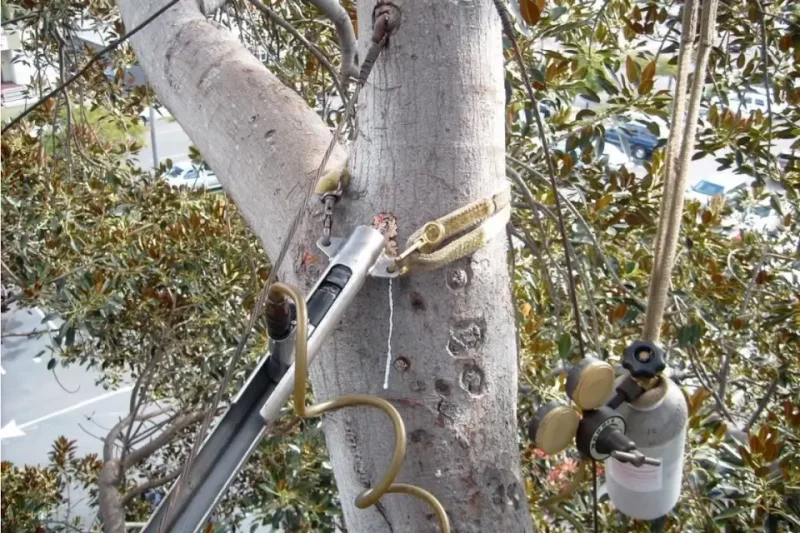
Cabling systems and braces protect a tree’s structural integrity. The newest systems use stronger materials, which extends their lifespan and keeps trees stable even in harsh weather. Better-engineered designs also provide more support, which lowers the risk of tree failure.
User-Friendly Tools and Equipment
Comfort matters just as much to manufacturers building tools for this industry. Modern equipment is designed ergonomically, so arborists can hold and use it for long stretches without unnecessary strain. Pruners are a good example – most are now shaped to fit the hand more naturally, which makes them easier to control.
Digital Solutions for Tree Care Businesses
Physical gear isn’t the only thing evolving. Software built specifically for tree care businesses is gaining ground too, especially among owners who want to move faster without losing the quality of work they had before adopting it. ArborStar’s tree service software is one example – it covers CRM, tree management, and other core functions a tree care business needs, in one place.
Communication Systems Integration
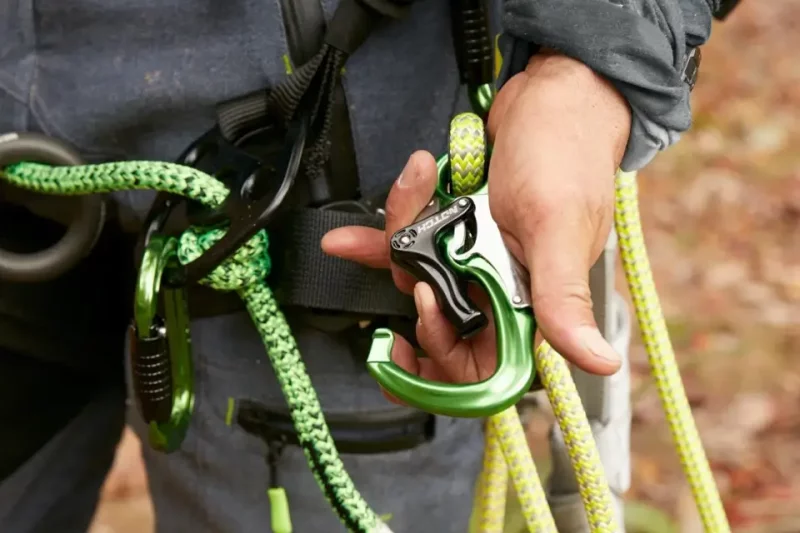
Collaboration matters whenever more than one arborist is working a job. Newer gear includes built-in communication systems that let crews stay connected even at a distance or in spots where normal signal doesn’t reach. These systems help most on complex removals that need coordination between teams, and they keep everyone aware of hazards on site.
Eco-Friendly Materials
Environmental concerns have grown across every industry, and tree care is no exception. More companies are asking for eco-friendly materials in their gear – biodegradable ropes instead of standard ones, or tools made from recycled materials – which lowers the carbon footprint of everyday tree care work.
Specialized Apps for Arborists
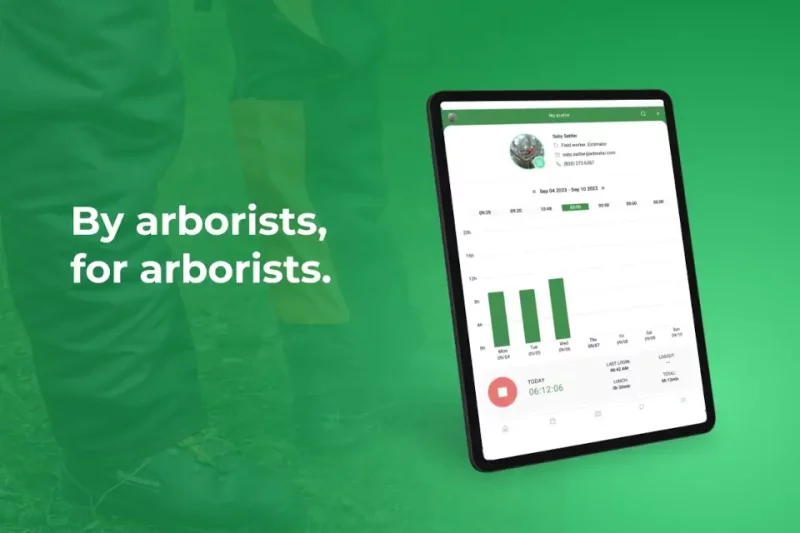
Technology has also made service delivery more efficient for tree care businesses specifically. Apps built for this industry, like ArborStar’s mobile app, handle tasks from scheduling to invoicing, so arborists can spend more time on tree care and less on manual admin work.
Training and Educational Resources
As the field gets more complex, ongoing training matters more too. Manufacturers and platforms increasingly offer tutorials and courses to help arborists build the skills the job requires. ArborStar’s webinars and training resources are one example, giving teams the knowledge to complete jobs safely and keep customers satisfied.
Arborists and tree care businesses do well to keep up with new equipment and technology as it becomes available. Platforms like ArborStar support that shift: alongside a full CRM for arborists, ArborStar’s tree service estimating tool simplifies pricing and quoting, helping tree care professionals work more efficiently.

FAQ
What are the biggest trends in arborist safety gear right now?
Manufacturers are focused on comfort as much as protection – ventilated helmets that stay cool during strenuous work, and visors combined with built-in earmuffs for added hearing protection.
How have tree cabling and bracing systems improved?
Newer systems use stronger materials for a longer lifespan and better-engineered designs that provide more support, which lowers the risk of tree failure in harsh conditions.
Does software help tree care businesses beyond scheduling?
Yes – platforms like ArborStar combine CRM, tree management, scheduling, and invoicing in one system, so a business can run more of its operations from a single place.
Are there eco-friendly options for tree care equipment?
Yes. Biodegradable ropes and tools made from recycled materials are becoming more common, giving crews a way to lower the environmental footprint of their work.
What can a tree care app actually do for a crew day to day?
Apps built for this industry typically cover scheduling, invoicing, and estimating, which frees up time that would otherwise go to manual admin work.
Where can arborists find training on new gear and techniques?
Equipment manufacturers often provide their own tutorials, and platforms like ArborStar offer webinars and training resources aimed at building both safety and service skills.