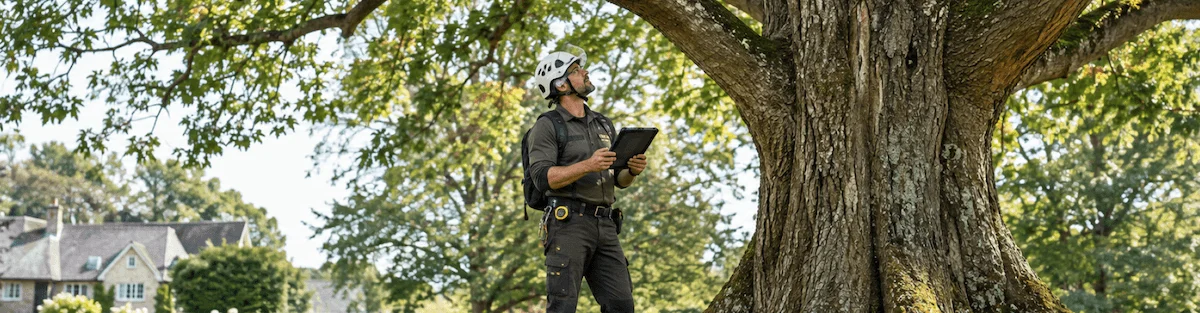


A tree’s health can determine the safety and sustainability of an entire ecosystem, which is part of why arboriculture has started leaning on artificial intelligence for diagnosis. AI is changing how tree care professionals evaluate trees, making the process faster, more accurate, and less costly than manual inspection alone.
Artificial Intelligence Integration into Tree Care
Arborists traditionally relied on manual inspection and experience to judge tree health. AI has added another layer to that process, analyzing large volumes of data and picking up patterns that aren’t visible to the eye. With AI built into modern diagnostic tools, arborists can now catch early-stage disease, pest activity, or structural problems well before traditional methods would flag them.
Key Technologies of AI Used in Tree Health Diagnostics
Machine learning models that scan images of trees for signs of distress or disease are one of the biggest shifts in diagnostics right now. Image recognition software can scan canopies from photographs or drone footage, flagging signs of fungal infection, pest infestation, nutrient deficiency, or structural weakness.
Data analytics plays a role here too, correlating soil conditions, weather patterns, and historical growth data to flag threats before they show up visually.
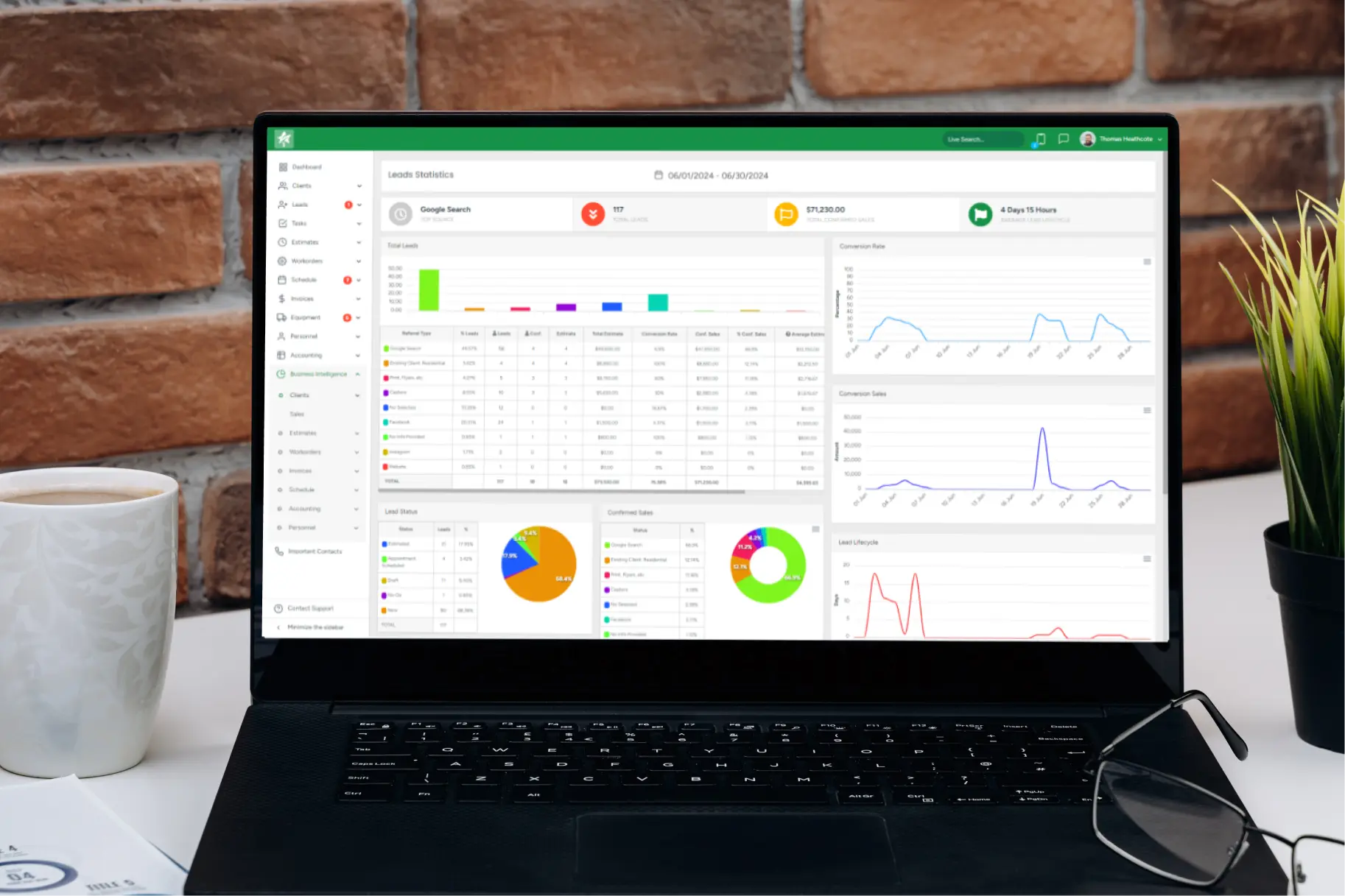
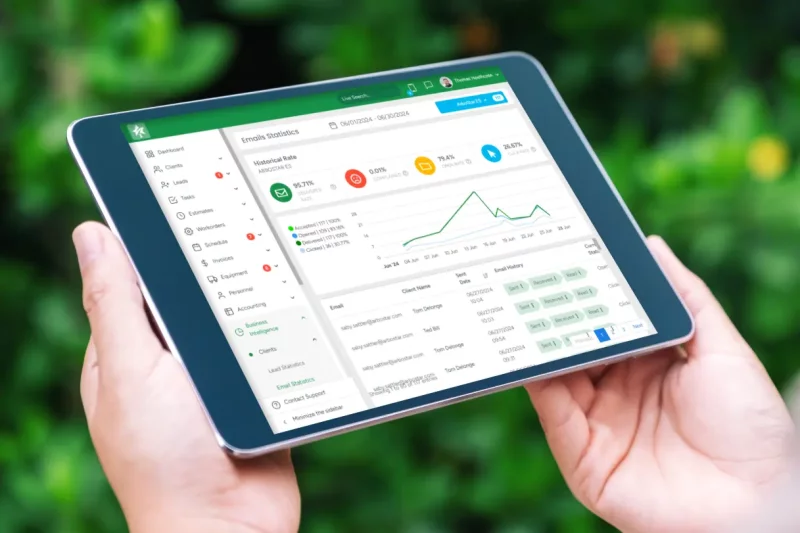
ArboStar has built these technologies into its platform, so tree care companies can run day-to-day operations and access AI-based diagnostic tools from the same cloud-based arborist software.
AI Arborist Drones: Practical Hardware in the Field
One of the most practical applications of AI in tree care is the AI arborist drone: an unmanned aerial vehicle equipped with sensors that feed data directly into machine learning models.
Types of Cameras and Sensors Used
-
Multispectral cameras capture light beyond the visible spectrum, detecting chlorophyll stress, water content variations, and early disease symptoms weeks before they become visible. These are especially effective for identifying Dothistroma needle blight, oak wilt, and similar canopy diseases at scale.
-
LiDAR (Light Detection and Ranging) sensors build precise 3D models of tree structure, measuring crown volume, branch density, and identifying structural defects. LiDAR is increasingly used in urban forestry for risk assessment.
-
Thermal (infrared) cameras detect heat signatures that can indicate pest activity, fungal infections, or abnormal moisture levels in tree tissue.
-
RGB high-resolution cameras paired with photogrammetry software generate detailed orthomosaic maps of forested areas, enabling canopy health analysis at the individual tree level.
How Drone Data Feeds Into AI
Once a drone completes a flight path over a target area, the captured imagery and sensor data is uploaded to an AI platform for analysis. The AI model, trained on thousands of labeled images of healthy and diseased trees, classifies each tree or zone by health status, flags anomalies, and generates a report the team can act on. In forest management contexts, this workflow allows a single arborist or technician to assess hundreds of trees per day, a task that would otherwise require weeks of ground-level inspection.
Software platforms used alongside drones include DJI Terra, Pix4D, and proprietary AI engines built into integrated arborist software suites. Arborists can then import these assessments directly into a field management system like ArboStar to schedule follow-up treatments, assign crews, and track resolution, connecting diagnosis directly to action.
Tree Health Apps and Software: What to Look For
The growing market for tree health apps and tree recognition apps reflects a broader shift toward digital, data-driven arboriculture. Here’s how these tools work and what distinguishes a useful platform from a basic one.
How Tree Recognition Apps Work
Tree identification and health apps use convolutional neural networks (CNNs), a type of deep learning architecture built for image analysis, to match photos of leaves, bark, and canopy structure against training databases. Apps like iNaturalist, PictureThis, and PlantNet can identify species and flag common disease symptoms from a smartphone photo.
More specialized tools go further: they assess canopy density over time (using repeat photography), flag discoloration patterns associated with specific pathogens, and generate condition reports suitable for client communication or municipal tree inventories.
Where ArboStar Fits In
While dedicated tree health apps handle diagnosis, ArboStar functions as the operational backbone that connects field intelligence to business outcomes. When arborists or field technicians identify a tree health issue, whether through drone analysis, an app, or an on-site inspection, ArboStar provides:
-
A centralized tree mapping module to log the exact location and condition of each tree
-
Workflow automation to convert diagnoses into scheduled jobs, proposals, and invoices
-
Client-facing reports that communicate findings clearly, with photographic and AI-generated evidence
-
Integration with third-party field tools and sensors
This combination of specialized detection tools feeding into one operations platform is the model leading tree care companies are adopting, rather than treating AI diagnostics and business management as two separate systems.
Does AI Kill Trees? The Environmental Reality
As AI becomes central to modern arboriculture, a legitimate question has emerged in public discourse: does AI itself harm the environment? Searches like “does ChatGPT kill trees”, “does AI burn trees”, and “AI environmental impact” reflect growing awareness of the carbon and water footprint of large-scale AI server infrastructure.
It’s a fair concern. Large language models and cloud-based AI platforms require significant computational power. Data centers consume substantial electricity, much of it still sourced from fossil fuels, and use millions of gallons of water annually for cooling. A single AI training run for a large model can generate carbon emissions comparable to a transatlantic flight.
The Other Side of the Equation
However, the environmental calculus for AI in arboriculture is meaningfully different from general-purpose AI usage:
-
Targeted, low-frequency inference: Tree health AI tools typically run inference (analysis) tasks rather than resource-intensive training runs, and do so on specific, bounded datasets, not at the scale of consumer AI chatbots.
-
Early detection reduces intervention costs: Identifying a diseased tree early allows for targeted treatment rather than full removal and disposal, which cuts down on labor, machinery emissions, and material waste.
-
Optimized forest management: AI-guided planting strategies, species selection, and thinning programs improve carbon sequestration rates in managed forests. Research has shown that optimized reforestation guided by AI models can sequester significantly more carbon per hectare than unguided planting.
-
Reduced chemical use: Precision pest detection allows arborists to apply treatments only where needed, reducing the overall use of pesticides and fertilizers that affect soil and water quality.
The honest answer is that AI infrastructure does have an environmental cost. But when applied specifically to forest and tree health management, the diagnostic and management gains can outweigh that cost, provided the AI is used purposefully rather than wastefully.

Pros of Applying AI in Arboriculture
The use of AI during the diagnosis process brings several advantages:
-
Accuracy: Algorithms applied consistently to standardized data reduce the variability of human judgment and give reproducible results across assessors.
-
Efficiency: What previously required hours of field work and laboratory analysis can now be completed in minutes. A drone survey that once took a team of three arborists a week to complete manually can be processed overnight.
-
Client transparency: Detailed AI-generated reports with visual evidence allow arborists to communicate findings clearly to clients, building trust and justifying recommendations.
-
Scalability: Municipal forestry departments, large estates, and commercial clients managing hundreds or thousands of trees benefit most. AI makes large-scale canopy management economically viable.
-
Proactive risk management: Structural defect detection via LiDAR and thermal imaging helps identify hazard trees before failure, reducing liability for tree care companies and property owners alike.
These features are part of why ArboStar pairs AI-powered field tools with mobile arborist software built for day-to-day operations.
How Forest Management Organizations Use AI to Identify Sick Trees
A common question in the field, and one that appears frequently in professional certification contexts, is: “How does a forest management organization use AI to identify sick trees that require treatment?”
The typical workflow looks like this:
-
Data collection: Drones or satellite imagery capture multispectral and RGB data across the managed area on a scheduled or trigger-based basis.
-
Training set preparation: AI models are trained on labeled datasets: images tagged by certified arborists as healthy, stressed, diseased, or dead. The quality and diversity of this training set directly determines diagnostic accuracy.
-
Model inference: The trained model is applied to new imagery, classifying individual trees or segments by health status and flagging anomalies with confidence scores.
-
Prioritization: Results are ranked by severity, allowing field teams to focus resources on the highest-risk trees first.
-
Treatment scheduling: Flagged trees are assigned to treatment workflows within a field management platform, with location data, recommended treatment, and urgency level all pre-populated.
-
Outcome tracking: Post-treatment imagery is compared against baseline to assess recovery, feeding back into the model’s training data over time.
-
This closed loop of collecting, analyzing, acting, and verifying is the foundation of modern AI-assisted forest management.
Challenges in Implementation and How to Address Them
Integrating AI into traditional tree care workflows is not without friction:
-
Upfront investment: Quality drone hardware, sensor packages, and software subscriptions represent a meaningful capital outlay for small and mid-sized companies. The ROI case depends heavily on volume of trees managed and efficiency gains achieved.
-
Staff training: Field crews need to understand how to operate drones safely, interpret AI-generated reports, and integrate findings into their daily workflow, which requires structured onboarding.
-
Data quality dependency: AI is only as good as its training data. Models trained primarily on one species or climate zone may perform poorly in different conditions.
-
Regulatory compliance: Drone operations are subject to local aviation regulations (FAA in the US, EASA in Europe) and require certified operators in many jurisdictions.
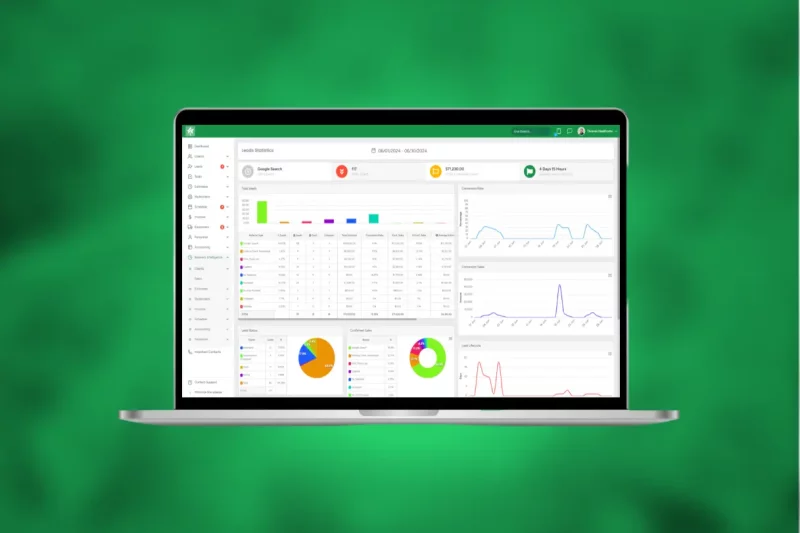
Using comprehensive arborist business software like ArboStar can ease this transition by offering intuitive interfaces, automated workflows, and guided AI-powered insights, which shortens the learning curve and helps teams move from diagnosis to action without re-entering data by hand.
FAQ: AI in Tree Health Diagnostics
How do forest management organizations use AI to identify sick trees that require treatment?
Forest management organizations typically deploy AI-equipped drones with multispectral or LiDAR sensors to survey large areas efficiently. The captured data is processed by machine learning models trained on labeled imagery of healthy and diseased trees. The AI outputs a prioritized list of trees by health status, which field teams use to schedule targeted treatments. This workflow replaces or supplements manual ground surveys, allowing far greater coverage at lower cost.
What is an AI arborist, and what tools do they use?
An AI arborist is a certified tree care professional who incorporates artificial intelligence tools into their diagnostic and management workflow. Their toolkit typically includes drone platforms with multispectral cameras, mobile tree health apps powered by image recognition, and integrated software platforms that connect field data to business operations. AI augments the arborist’s expertise, rather than replacing it, by processing data at a scale and speed no person can match.
What is the best tree health app for arborists?
The best app depends on the use case. For species identification and community-based health reporting, iNaturalist and PictureThis are widely used. For professional tree inventories and condition assessments, platforms that integrate with arborist CRM systems offer the most operational value. For full workflow management, from initial assessment to invoicing, ArboStar provides an integrated solution that connects tree mapping, scheduling, and client communication in one platform.
Does AI kill trees or harm the environment?
AI infrastructure does consume energy and water, which contributes to carbon emissions. However, AI applied to tree and forest health management tends to be net positive for the environment: it enables early disease detection, reduces unnecessary chemical treatments, optimizes carbon-sequestering reforestation programs, and helps identify high-risk trees before catastrophic failure. The environmental impact of AI in arboriculture is substantially smaller than that of large-scale consumer AI, and its ecological benefits in forest management are well documented.
Does ChatGPT kill trees?
The concern behind this question is real: large AI systems like ChatGPT do require significant data center energy and water resources. But ChatGPT and similar general-purpose AI are not directly connected to tree or forest management. When people use AI specifically for arboriculture, through targeted diagnostic tools, drone analysis, and precision forest management software, the environmental math changes considerably. These tools can help preserve forests, reduce tree loss from preventable disease, and optimize planting programs that sequester carbon.
Can drones really detect tree disease?
Yes. Drones equipped with multispectral cameras can detect chlorophyll stress, moisture abnormalities, and canopy structural changes associated with disease or pest infestation, often weeks before symptoms are visible to the naked eye. When combined with AI image analysis, drone surveys have demonstrated detection accuracy comparable to or exceeding ground-level inspection for many common conditions.
How accurate is AI-based tree disease detection?
Accuracy varies by model, training data quality, disease type, and environmental conditions. Published research on convolutional neural network models trained on specific diseases (such as pine wilt disease or citrus greening) reports accuracy rates of 90 to 97 percent on validation datasets. Real-world performance depends heavily on image quality, lighting consistency, and how well the training data represents the local tree population being assessed.
Conclusion
Artificial intelligence has fundamentally changed what’s possible in tree health diagnosis. From AI arborist drones equipped with multispectral and LiDAR sensors to mobile tree recognition apps and integrated management platforms, the technology is making arboriculture faster, more accurate, and more scalable than ever before.
AI infrastructure does have an environmental cost. But in the context of forest and tree management, the benefits of early detection, precision treatment, and optimized reforestation consistently outweigh the computational overhead. As the technology matures and energy grids grow cleaner, that balance will only improve.
For arborists and tree care companies ready to integrate these tools, AI diagnostics and day-to-day operations don’t have to be separate systems. Connecting both in a single workflow is exactly what ArboStar is built to do.
See how ArboStar can run your tree care business
Quoting, scheduling, crews and invoicing in one place. Book a short demo and see it with your own jobs.