

A single mature oak can produce over 10,000 leaves in a year and filter hundreds of gallons of water through its roots – trees are living machines, and they need real care to thrive. That’s exactly why trained arborists are in such high demand, keeping our urban forests and rural woodlands healthy and safe.
Becoming an Arborist: What It Really Means
If you’ve ever felt drawn to caring for trees, becoming an arborist might be the right path. An arborist, or tree surgeon, is professionally trained to manage tree health, treat diseases, and ensure trees don’t become hazards to people or property.
Demand for arborists is climbing fast. From urban parks to private woodlands, there’s a constant need to monitor tree health, handle storm risks, and maintain safe, thriving landscapes. Forget the Hollywood stereotype of nonstop chainsaw action – most of the work is about preserving trees, pruning for safety or aesthetics, and preventing problems before they happen.
Being an arborist isn’t just about cutting trees; it’s about protecting people while caring for trees. To get started, focus on building skills, learning the science, and getting hands-on experience – basically, just loving trees as much as the job demands.
Who Is an Arborist?
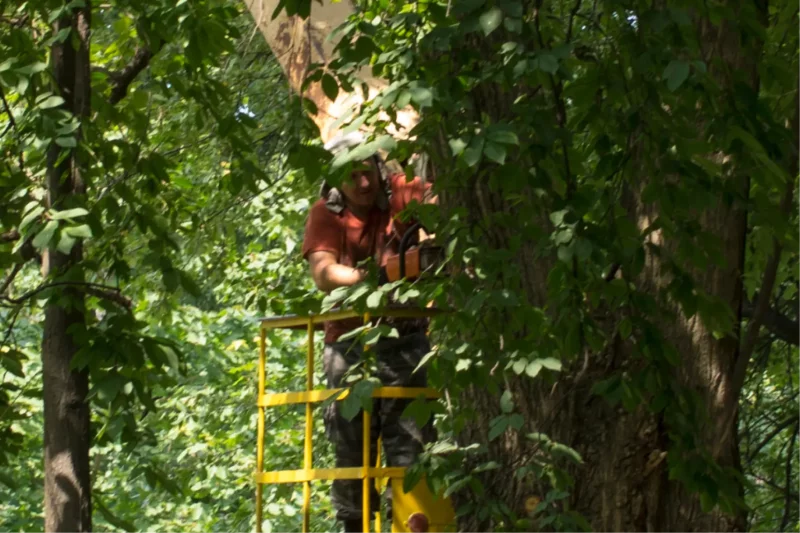
Combine that with the responsibility of ensuring public safety, and arborists are indeed a special breed. These professionals are responsible for the protection and care of plants and trees as well as their management. For an arborist, the only way to protect the structure of a tree’s trunk and branches while removing any potential hazards to people and buildings near it is to promote its healthy growth.
What Does an Arborist Do?
An arborist’s work is centered around tree health, safety, and long-term management. This includes assessing tree structure, identifying risks, pruning correctly, and ensuring trees can safely coexist with nearby buildings, roads, and people.
Arborist vs. Landscaper: What’s the Difference?
But I do landscaping and not arborist's work – what's the difference? An arborist’s role is most likely focused on trees, whereas a landscaper’s role cuts across outdoor maintenance in general, coupled with gardening and other space-beautifying activities. In simple terms, an arborist works with trees – maintaining, pruning, or removing them when necessary – while a landscaping expert plants flowers, designs gardens, and mows lawns.
Why Arborists Matter in Urban Environments
People who preserve and grow trees are referred to as arborists. They are critical for environmental protection as well as city planning. Trees help clean the air, reduce urban temperatures, and improve stormwater management systems. As urbanization increases, the role of arborists has become essential in the development of modern cities, contributing to balanced and environmentally responsible urban greenery.
Here’s a quick comparison for clarity:
| Role | Main focus | Typical tasks | Impact on environment |
|---|---|---|---|
| Arborist | Trees & Plants | Tree pruning, hazard removal, tree health assessment | Improves air quality, urban cooling, stormwater management |
| Landscaper | Outdoor spaces | Lawn care, flower planting, garden design | Enhances visual appeal, supports biodiversity, maintains outdoor spaces |
Next question: How long does it take to become a certified arborist?
The time duration will be defined by your previous experience or education. For almost all certification programs, like the one offered by the International Society of Arboriculture (ISA), applicants must possess not less than three years of experience with a tree-related degree, or its equivalent, such as a diploma in forestry. A certification exam must also be passed, assessing your understanding of tree biology, diagnosis, pruning, tree safety, and several other related aspects.
It is an interesting and rewarding option if you love trees and don't mind working at heights!
What It’s Like Being an Arborist: Roles, Skills, and Daily Responsibilities
There is nothing monotonous about being an arborist. Arborists are tree care experts who perform a wide range of tasks, from trimming small branches to safely and precisely removing large trees. Their primary responsibility is to protect, maintain, and promote the healthy growth of trees in both urban and natural environments.
Common arborist responsibilities include:
-
Pruning trees to improve structure, safety, and appearance
-
Diagnosing and treating tree diseases or pest infestations
-
Planting new trees to enhance landscapes and restore green spaces
-
Removing dead, damaged, or hazardous trees that pose safety risks
-
Assessing tree stability near buildings, roads, and power lines
Seasonal changes add variety to the role. In spring, arborists focus on planting and monitoring diseases that emerge as temperatures rise. Summer often involves structural pruning, tree removals, and pest management. Winter is ideal for dormant pruning and tree removals, as deciduous trees are easier to evaluate without foliage.
Tools and Technology Used by Arborists
To carry out these tasks, arborists rely on a wide range of tools and technologies. These include chainsaws, climbing ropes, harnesses, and diagnostic tools used to assess tree health. Modern arborists also use advanced equipment such as aerial lifts and ground-penetrating devices to investigate root systems and ensure safe, efficient work.
What Are Arborist Education Requirements?
Tree care is physically demanding and highly skilled. While formal education is not always mandatory, completing arborist classes or earning a degree in arboriculture, forestry, or a related field provides a strong foundation. Professional credentials, such as arborist certification through the International Society of Arboriculture (ISA), help validate expertise and demonstrate a commitment to industry best practices.
Why Professional Arborists Are Essential
This blend of technical knowledge, hands-on experience, and recognized certification makes arborists invaluable in preserving, managing, and improving tree populations in growing communities.

What Does an Arborist’s Salary Look Like?
If you see yourself working among trees, it’s only natural to ask about arborist salary expectations. There’s no single fixed number, as earnings vary depending on experience, certifications, job role, and location. Entry-level arborists typically earn less, while seasoned professionals with specialized skills can command significantly higher pay.
Below, we can see the average arborist salary by experience level:
| Experience level | Typical role | Estimated annual salary |
|---|---|---|
| Entry-level | Ground worker, junior arborist | $30,000 – $40,000 |
| Mid-level | Certified arborist | $45,000 – $60,000 |
| Experienced | Climbing arborist, specialist | $60,000 – $80,000+ |
| Advanced / Consulting | Consulting arborist, hazardous removal specialist | $80,000+ |
These figures are comparable to the arboriculturist salary, especially in roles that combine scientific knowledge with hands-on tree management.
How Location Impacts Arborist Work and Pay
Location plays a major role in determining earnings. Urban areas generally offer higher wages due to greater demand for professional tree services, stricter safety regulations, and larger municipal forestry programs. States like California and New York often report above-average arborist salaries because urban forestry and infrastructure protection are in high demand. In contrast, rural areas may offer fewer opportunities and lower overall pay.
Certifications and Skills That Increase Earnings
Investing in education and professional development can directly impact income. Earning credentials such as an ISA Certified Arborist designation helps professionals stand out in a competitive market. Additional training, advanced climbing skills, and expertise in hazardous tree removals or consulting arborist work can significantly increase hourly rates and project fees.
Self-Employed vs. Employed Arborists
When it comes to income, arborist work can take different forms:
-
Self-employed arborists often earn more per project but must cover costs such as insurance, equipment, marketing, and transportation.
-
Employed arborists usually earn a steadier income, with benefits and fewer financial risks, though salaries may be lower overall.
Career Growth and Long-Term Potential
Many arborists start as ground workers or climbers and advance into supervisory, managerial, or consulting roles. Some go on to establish their own tree care businesses. With dedication, skill development, and certifications, a career in arboriculture offers both financial stability and long-term growth opportunities.
Where Do Arborists Work?
An arborist’s workplace is rarely confined to four walls. Instead of an office, arborists work among trees – often outdoors in dynamic environments that change with the seasons. Their “office” can range from city streets to forested areas, making the profession both physically engaging and visually rewarding.
Common Work Environments for Arborists
Arborists are employed across a wide variety of settings, including:
-
Residential properties, where homeowners hire arborists to care for individual trees
-
Commercial sites, such as office parks, retail centers, and campuses where tree appearance and safety matter
-
Urban areas, including city streets, parks, and recreational spaces maintained by municipalities
-
Forest preserves and natural areas, where arborists help manage tree health and conservation
-
Tree care companies, providing pruning, removal, and emergency services to private and public clients
-
Utility companies, where arborists manage tree growth around power lines and critical infrastructure
Municipal and Utility Arborist Roles
Many arborists work for local governments or municipal forestry departments. These professionals help cities remain safe, green, and welcoming by maintaining street trees and public green spaces. Arborists employed by utility companies play a crucial safety role, removing or managing branches that interfere with power lines and other utilities.
Education and Certification Requirements
Meeting arborist education requirements can significantly influence career opportunities. While some entry-level positions offer on-the-job training, advancement often depends on formal education or professional credentials. Certifications such as the ISA Certified Arborist demonstrate expertise in tree biology, pruning techniques, risk assessment, and safety practices, making candidates more competitive for specialized and higher-paying roles.
A Career Rooted Everywhere Trees Grow
Whether climbing a large maple tree in a residential backyard or contributing to the long-term planning of a city’s urban forest, arborists work wherever trees exist. This versatility makes arboriculture a career with diverse environments, responsibilities, and long-term growth potential.
Is It Dangerous to Be an Arborist?
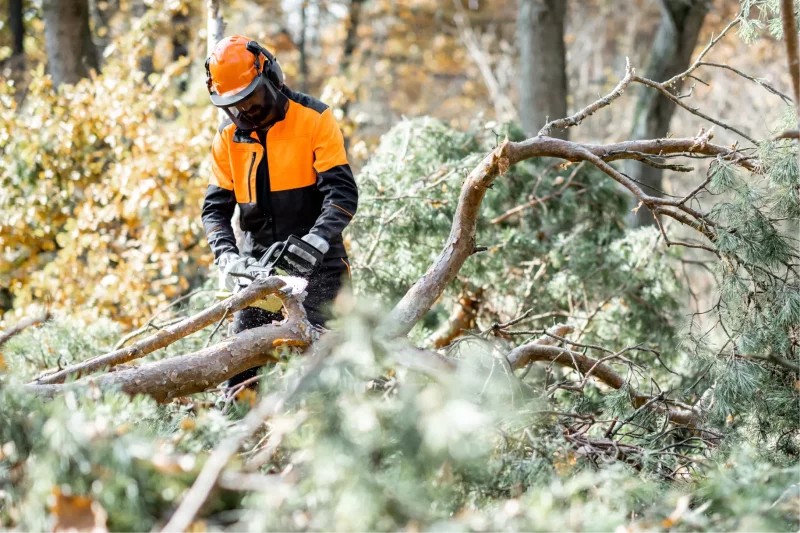
Let’s be honest – arborist work does involve risk. The job often requires working at height, climbing large trees, operating heavy machinery, and navigating hazards such as power lines, falling branches, and unstable tree structures. Tools like chainsaws and wood chippers add another layer of danger, making arboriculture a physically demanding and high-responsibility profession.
Common Risks in Arborist Work
Arborists may face several on-the-job challenges, including:
-
Working at significant heights in trees or near buildings
-
Handling heavy and powerful equipment
-
Exposure to falling branches or unstable limbs
-
Operating near electrical lines and infrastructure
-
Performing tasks in changing weather conditions
Because of these risks, tree work is not something untrained individuals should attempt on their own.
How Training and Safety Reduce the Risks
With proper training, equipment, and procedures, many of these dangers can be significantly reduced. Arborists receive education in tree biology, structural assessment, and climbing techniques, helping them evaluate when it is safe to climb and how to approach each task. Using protective gear such as helmets, harnesses, ropes, and cut-resistant clothing is standard practice and helps minimize the chance of injury.
Clear role distribution among crew members and strict adherence to safety protocols are essential in preventing accidents during complex tree operations.
The Role of Certification and Experience
Professional credentials play a key role in risk management. Certifications such as the ISA Certified Arborist demonstrate a strong understanding of safe work practices and tree care standards. Advanced qualifications, including Tree Risk Assessment credentials, help arborists evaluate tree stability and environmental conditions more accurately.
Experience is equally important. Over time, skilled arborists develop the judgment needed to recognize hazards early and make informed decisions that protect both people and trees.
A Rewarding Career Despite the Risks
Yes, being an arborist comes with risks, but for those who value tree care and commit to proper training and safety, it can be a highly rewarding career. Arborists protect communities, preserve natural environments, and contribute to a healthier world—one branch at a time.
Do Arborists Work in the Winter?
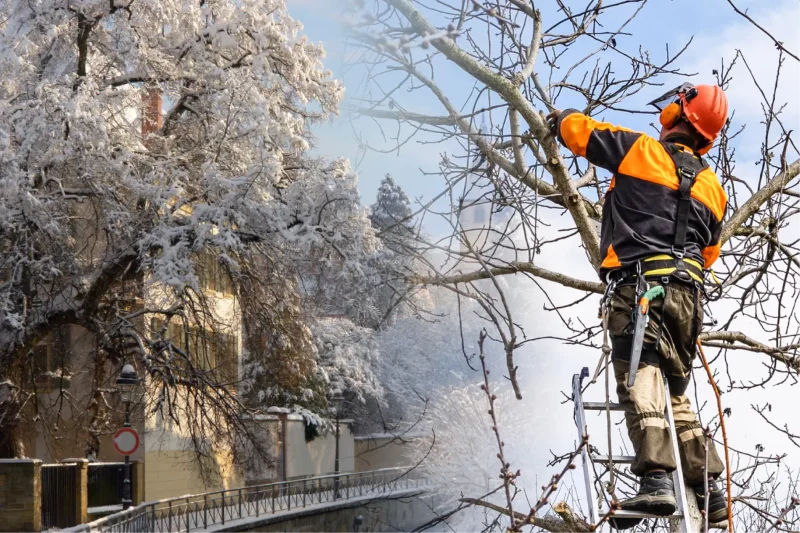
Yes – arborists work year-round, and winter is an important season for tree care. While many people slow down during colder months, arborists continue maintaining trees with the right clothing, equipment, and safety practices.
Why Winter Is Ideal for Certain Tree Work
Winter is especially suitable for dormant pruning. Since deciduous trees have no leaves, arborists can clearly see branch structure, making it easier to remove damaged or hazardous limbs. This type of pruning supports healthy growth and reduces risks once trees enter the growing season.
Safety and Equipment in Cold Conditions
Working in winter does come with challenges, such as snow, ice, and low temperatures. Arborists address these risks by using insulated gloves, thermal clothing, weatherproof boots, and winter-rated equipment. Extra precautions are taken to prevent slips, frostbite, and weather-related injuries.
Winter Arborist Work in a Nutshell
For arborists, winter means pruning, risk management, and preparing trees for the seasons ahead. No matter the weather, their goal remains the same: keeping trees healthy and people safe.
How Do You Become an Arborist?
If you enjoy working outdoors and caring for trees, you may be wondering how to become an arborist. The good news is that there’s no single rigid path, but successful arborists tend to follow a combination of hands-on experience, education, and professional certification.
Step 1: Gain Practical Experience
Most people who want to become an arborist start by working in entry-level tree care roles, such as ground crew or junior arborist positions. These roles provide essential exposure to tree pruning, removals, safety procedures, and equipment handling. Real-world experience is a critical foundation for building skills and confidence in arboriculture.
Step 2: Education and Training
While a formal degree is not always required, studying arboriculture, forestry, or environmental science can give you a strong advantage. Many aspiring arborists also take specialized courses and workshops to learn tree biology, pruning techniques, and risk assessment. This training helps prepare you for long-term growth along the arborist career path.
Step 3: Certification and Professional Credentials
Earning professional certification is an important milestone. Credentials such as the ISA Certified Arborist demonstrate knowledge, professionalism, and a commitment to industry best practices. Certification often leads to better job opportunities, increased responsibility, and higher earning potential.
Step 4: Build Specializations and Advance Your Career
As arborists gain experience, many choose to specialize in areas such as tree climbing, hazardous removals, consulting, or urban forestry. Others move into supervisory roles or start their own tree care businesses. This flexibility makes arboriculture a career with long-term development and leadership opportunities.
Salary Expectations and Career Growth
The salary of an arborist varies depending on experience, certifications, job role, and location. Entry-level positions typically earn less, while certified and specialized arborists can earn significantly more over time. With continued learning and experience, the arborist career path offers both financial stability and professional growth.
A Career Rooted in Purpose
Choosing arboriculture means committing to a profession that protects people, preserves trees, and supports healthier communities. For those who enjoy physical work, problem-solving, and working with nature, becoming an arborist can be both a rewarding job and a lifelong career.
FAQ
Are arborists in demand?
Yes, arborists are in high demand, especially as urban areas continue to expand and cities prioritize green spaces. Communities, businesses, and municipalities require skilled tree care professionals to maintain healthy trees and safe environments. This trend is expected to continue, making arboriculture a stable and growing field.
What are urban forestry jobs?
Urban forestry jobs involve managing and maintaining trees in cities and towns to improve environmental quality and public safety. These roles can include tree planting, pruning, risk assessment, and municipal planning. Arborists in urban forestry positions contribute directly to cleaner air, cooler streets, and greener communities.
Is being an arborist a good career?
Yes, being an arborist is a rewarding career for those who enjoy working outdoors, solving problems, and caring for trees. It offers opportunities for growth, specialization, and higher earning potential with experience and certification. Additionally, arborists play an important role in environmental conservation and public safety, giving their work a sense of purpose.
How long does it take to become an arborist?
The time it takes to become an arborist depends on your education, experience, and training. Entry-level roles can be accessed with on-the-job training, but certification programs, such as the ISA Certified Arborist, typically require at least three years of tree-related experience. Additional courses or degrees in arboriculture or forestry can shorten the learning curve and improve career prospects.
What skills do arborists need?
Arborists need a combination of physical ability, technical knowledge, and problem-solving skills. Key competencies include tree biology, pruning techniques, climbing safety, and operating specialized equipment. Soft skills such as communication and teamwork are also critical for coordinating with clients, crews, and municipal staff.
Can arborists advance their careers?
Yes, arborists can advance by gaining experience, certifications, and specialized skills such as consulting or hazardous tree removal. Some move into supervisory roles, urban forestry management, or start their own tree care businesses. Career advancement often leads to higher pay, greater responsibilities, and opportunities to influence city planning and environmental sustainability.