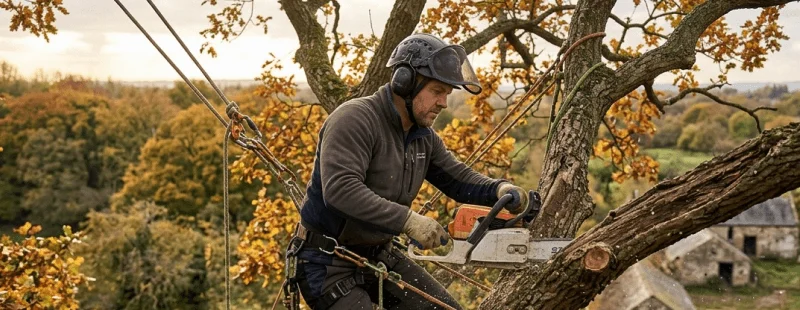


According to the UN Food and Agriculture Organization (FAO), the world lost about 10 million hectares of forest per year between 2015 and 2020 (FAO Global Forest Resources Assessment). With forests under this much pressure, poor planning and weak coordination are no longer small problems – they directly affect profits, sustainability, and long-term supply.
In 2026, that kind of waste is no longer inevitable.
Modern forest management software brings everything together in one system: GIS mapping integration, inventory tracking, crew scheduling for forestry, harvest planning, and tree health monitoring. ArboStar stands out for daily operations and urban forestry. Remsoft is known for strategic timber supply planning. Trimble leads in large-scale industrial forestry.
Whether you manage commercial timberland or urban green spaces, the right tool should match how you actually work. Here are the Top 10 forest management software solutions in 2026 – and which one fits your operation best.

What to Look for in Modern Forest Management Tools
The days of standalone GPS units, Excel spreadsheets, and paper maps are over.
If your workflow still depends on downloading data at the end of the day (or worse – the end of the week), you’re already falling behind. In 2026, the difference between good and great forest management tools comes down to three things that actually matter in real operations:
Real-Time Cloud Sync
Field data – tree measurements, damage reports, completed tasks, photos, boundaries – must flow to the office (and back) instantly. No more “I’ll upload it when I get back to the truck”. Delays kill efficiency, create mistakes, and make it impossible to react quickly to weather, breakdowns, or urgent pest/disease alerts.
Operational Execution, Not just inventory
Counting trees and calculating volumes is table stakes. The real value today comes from turning that data into action: assigning tasks to specific crews, routing them efficiently, tracking progress in real time, adjusting plans when a machine goes down or a storm hits, and documenting everything for compliance and payment. Modern forestry mapping tools don’t just show you what you have – they help you get the work done.
Visual, layered GIS mapping
Basic coordinate lists or simple pin-drops belong to the past. Today’s best platforms give you rich, interactive maps where you can overlay harvest plans, stand types, soil data, protected zones, access roads, recent drone imagery, tree health layers, and crew locations – all at once. You see the full picture, not just dots on a screen.
If a tool doesn’t deliver fast cloud connectivity, practical crew & task management, and powerful visual mapping, it’s not really built for 2026 forestry – no matter how nice its reports look.
1. ArboStar
If most forest management tools stop at “showing you what’s in the forest”, ArboStar is built for the people who actually have to do something with that information – today, tomorrow, and next week. It draws a clear line between planning and execution, and then helps you cross it every single day.
Key strengths that set ArboStar apart in 2026
ArboStar goes far beyond basic mapping or simple inventory tracking. It’s built for real field work, where fast decisions, clear data, and strong coordination matter every day.
-
AI-powered mapping that understands what it sees. This is not just pin-drops or colored polygons. ArboStar uses AI to detect tree density, identify stressed or dead trees, recognize invasive species patterns, and highlight risk zones. The map becomes an active decision-making tool, not just a visual background.
-
Operations-first design. Many platforms focus mainly on inventory or long-term planning. ArboStar starts with daily work. You can assign tasks to crews, plan smart routes, track equipment in real time, log completed jobs with photos and notes, manage daily budgets, and generate compliance-ready reports – all inside one system. It supports the rhythm of field operations, not just office planning.
-
Built for real arborist workflows. ArboStar supports tree-level data, work history tracking, repeat maintenance scheduling, and client-based property management – critical for residential, municipal, and utility arborists. You can track pruning cycles, monitor tree health over time, manage work orders from inspection to invoicing, and keep a clear digital trail for liability protection. This is especially valuable for storm response, emergency removals, and regulated vegetation management contracts.

Strong leadership in urban forestry and vegetation management. This is where ArboStar clearly stands out. Municipalities, utility companies, parks departments, and large vegetation management teams often choose it as their primary tool. Street trees, urban forests, powerline corridors, wildfire risk zones, and large clearing projects – these are exactly the environments where ArboStar performs best.
Verdict
ArboStar is the #1 pick in 2026 for any organization that can’t afford to let good data sit unused. If your job is to act on forest information – not only collect and analyze it – ArboStar is very likely the solution that will feel most natural and powerful in your daily reality.
2. Remsoft
This arborist business management software is made for big timber companies that need to plan and optimize on a large scale, not just manage crews day to day.
What Is Good?
Woodstock Optimization Studio lets planners model wood supply, harvest schedules, silviculture, roads, carbon stocks, and long-term investments. You can run “what-if” scenarios, balance sustainability with harvest targets, and test plans against market or regulatory changes – perfect for huge operations where mistakes get expensive. It also links with cloud tools like Remsoft Operations to centralize data, schedule harvests, manage resources, and track forest-to-mill decisions in one dashboard.
Some Problems
For day-to-day field work, Remsoft isn’t as quick or user-friendly as some other tools. Its deep optimization makes it powerful but complex, often needing specialist training, and many foresters find it harder to pick up than crew-focused tools. The interface is built for planners, not hands-on crews, and while it can track carbon and sustainability, that usually comes through advanced modules. For urban forestry, fast task assignment, or real-time crew coordination – where ArboStar excels – Remsoft feels more geared toward long-term planning than everyday field use.
Verdict
Ideal for massive timber enterprises planning 30–50 years ahead with dedicated analytics teams. Less suitable for operations-driven companies that need speed, flexibility, and strong field execution.
3. Trimble Connected Forest
The app is made for big forestry companies that need tight control over harvesting, transport, and mill logistics. Trimble Connected Forest pulls data straight from harvesters, forwarders, trucks, and scales to create a seamless flow from stump to mill.
Where It Excels
Trimble is strong at connecting machines, GPS, scanners, and scales so data is recorded automatically. Managers can see production, machine output, load weights, fuel use, and delivery times in real time. It works well for big logging operations and links easily with ERP systems for mill production and finances.
Where It Falls Short
The system is built for industrial logging, so it’s not very flexible for smaller companies, urban forestry, or vegetation crews. It can be costly, depends on hardware, and needs structured workflows that don’t adjust easily in the field. Compared to crew-focused tools like ArboStar, Trimble focuses on machines and production rather than daily tasks, urban tree inventories, or compliance work.
Verdict
The go-to choice for traditional logging companies with large mechanical fleets and mill-linked operations. Less practical for dynamic field teams that need flexibility, fast deployment, and urban or mixed-environment digital forest planning tools.
4. SingleOps
SingleOps focuses on the business side first, not forestry science. It’s made for small to mid-sized urban tree care companies that handle lots of estimates and need an easy way to go from proposal to invoice.
Where It Delivers Strong Value
It works really well for sales and job management. The proposal builder is simple, letting arborists make estimates fast, often right with the client. It handles itemized services, add-ons, digital approvals, and basic scheduling, keeping small crews organized. For residential pruning, removals, and PHC work, its CRM-style setup helps track leads and deals without another system, making it easy to sell and manage jobs.
Where It Feels Limited
However, it isn’t for deep forestry or GIS work. Its mapping is basic, good for tracking jobs by property, but it doesn’t handle advanced AI maps, large-scale vegetation models, or detailed urban forest inventories. For utility lines, wildfire zones, or data-heavy municipal work, it feels more like a business tool than a full field platform. Compared to ArboStar, it focuses on sales and CRM rather than field analytics and vegetation data.
Verdict
Great choice for sales-driven urban tree care companies that prioritize proposals, approvals, and clean job workflows. Less suited for organizations that need advanced mapping, large-scale vegetation management, or AI-powered operational insight.
5. Arborgold
It has a long history in the green industry and is made for tree care, lawn care, and landscaping businesses that need solid business management rather than advanced forestry analytics. It focuses on keeping customer info, service packages, and internal workflows organized and reliable.
Where It Performs Well
Arborgold is best for CRM and service management. It lets companies handle customer records, recurring services, estimates, invoices, and internal communication all in one place. For tree nurseries and established tree care businesses with regular contracts, it helps track inventory, manage supplies, and monitor ongoing services, making it great for predictable, repeatable work and long-term client relationships.
Where It Shows Its Age
On the other hand, Arborgold leans toward business management rather than field operations. Its mapping is basic, and it doesn’t offer AI tree analysis or advanced vegetation risk models. The interface is traditional, with less focus on real-time crew tracking or detailed field data. Compared to modern, operations-first tools like ArboStar, it favors CRM stability over mapping, AI, or large-scale vegetation management.
Verdict
A dependable, traditional option for general tree care and nursery businesses that prioritize CRM and structured service management. Less compelling for teams seeking advanced mapping, AI-powered tools, or highly dynamic field coordination.
6. Forest Metrix
Forest Metrix focuses on one thing: quick and accurate timber cruising in the field. It’s a simple mobile tool for foresters to collect stand data on iPhone or iPad.
Where It Stands Out
Forest Metrix is simple and fast for mobile data collection. You can measure DBH, height, species, and log sizes on-site, calculate timber volume instantly, and generate reports to share with landowners. Running on iOS, it’s lightweight, responsive, and easy to use without extra setup.
Where It Feels Narrow
At the same time, the timber cruising app focuses on measurement, not overall operations. It doesn’t handle crew management, large-scale GIS, AI vegetation analysis, or complex scheduling. For companies with multiple crews, urban tree inventories, or long-term programs, it may feel too narrow. Compared to platforms like ArboStar, it’s more a precision tool than a full operational system.
Verdict
An excellent choice for independent foresters and consultants who spend most of their time cruising timber and valuing stands. Less suitable for organizations that need integrated operations management, advanced mapping, or urban forestry coordination.
7. TRACT
The application takes a different angle on urban forest inventory data tools. Instead of focusing on crews, measurements, or vegetation work, it looks at timberland primarily as a financial asset and long-term investment.
Good Points
TRACT is strong for asset management and valuation. It helps landowners and investors track property performance, timber value, transactions, and returns across large holdings. With mapping, ownership records, and financial reporting, it gives a clear view of value, risks, and long-term growth for timberland portfolios.
Some Difficulties
However, TRACT isn’t made for daily forestry or arborist work. It doesn’t handle crew coordination, field tasks, tree-level data, or compliance tracking. It’s more about asset visibility, and compared to field-focused tools like ArboStar, it’s geared toward finance and strategy rather than hands-on vegetation management operations.
Verdict
A good fit for timberland investors, asset managers, and REIT-style ownership structures. Less useful for companies that need hands-on operational tools or detailed urban and vegetation management capabilities.
8. Logger’s Edge
Logger’s Edge is made for the harvesting side of forestry. It focuses on what happens after trees are cut – tracking loads, tickets, contracts, and payments – rather than long-term planning or asset optimization.
Where It Performs Well
At its core, the tool centers on keeping harvest operations clear and organized. It tracks loads, production, and payments, linking everything to contracts and financial data to reduce errors and ensure accurate pay. It also shows hauling logistics – what was cut, delivered, and how volumes compare – giving companies better control during harvesting without needing a full-scale planning system.
Where It Falls Short
Because it is focused on harvesting, its scope is narrow. It doesn’t handle long-term planning, sustainability, GIS-heavy work, or silviculture strategy. It’s also less suited for mobile field use or real-time crew coordination. For operations needing end-to-end planning from inventory to mill delivery, Logger’s Edge is too specialized, though it works well within its niche.
Verdict
A practical solution for companies focused on harvesting efficiency, load accountability, and accurate logger payments.
Best suited for operations that need structure in the cutting and hauling phase. Less suitable for enterprises seeking full-cycle forest management, advanced analytics, or long-term strategic planning tools.
9. ArborNote
The tool is made for urban forestry and community tree programs. It helps cities, HOAs, and parks track trees and stay compliant with local rules.
Strengths
ArborNote makes tree data collection easy. Crews can quickly record species, condition, and location on mobile devices, reducing paperwork and improving accuracy. It also creates clear reports for cities or boards, helping with maintenance, risk assessments, and compliance. The platform is simple to use, making it a good fit for smaller municipalities or teams with limited IT resources.
Limitations
First of all, it is great for tracking trees and basic inventories, but it’s not made for complex forestry operations. It doesn’t do advanced analytics, silviculture planning, or integrate with harvest or asset systems. For GIS analysis, growth forecasting, or broader municipal management, it’s limited – useful for monitoring and reporting, but not a full enterprise solution.
Verdict
A solid choice for cities, HOAs, and community programs that need simple, reliable tree tracking and reporting. Ideal for compliance-driven urban forestry. Less suited for organizations that require large-scale analytics, long-term planning, or complex operational workflows.
10. EarthCache
The next tool helps forestry teams monitor forests remotely. Using satellite imagery and sensors, managers can track conditions, detect changes, and spot issues without visiting each site.
Why It Stands Out
EarthCache lets teams monitor large areas almost in real time, spotting changes in canopy, tree health, or disease early. It also supports sustainability by tracking carbon, reforestation, and reporting, all without constant field visits. The cloud platform shows data in clear dashboards, making satellite info easy to use even without GIS expertise.
Where It Has Limits
It is great for monitoring, but field checks are still needed to confirm issues. It focuses on observation and analysis, not crew, payment, or harvest management, so you’ll need other software for full forestry operations.
Verdict
A powerful solution for remote forest monitoring that delivers scale and actionable insight. Best for governments, NGOs, and forestry companies focused on sustainability and large-scale surveillance. Less suited for hands-on, day-to-day operational management.
Summary & Recommendation
In 2026, forestry can’t afford gaps between data and action. Forests are disappearing, regulations are tighter, and clients and investors demand proof of sustainability. Basic tree counts or static maps aren’t enough anymore. Success comes from turning data into daily action: fast task assignments, route optimization, pest or weather response in hours – not days.
Top tools fall into two camps:
-
Planning & Strategy: Remsoft, Trimble Connected Forest, TRACT, EarthCache – great for big players, long-term scenarios, harvest modeling, asset management, and satellite monitoring. Best for teams focused on the big picture.
-
Operations & Execution: ArboStar, SingleOps, Arborgold, ArborNote, Forest Metrix, Logger’s Edge – built for crews and field teams. Focus on speed, mobile use, AI maps, task tracking, photos, and compliance without extra clicks.
Planning tells you what to do; execution gets it done fast, accurately, and profitably. So, if your job isn’t just counting trees but making sure they’re pruned, removed, planted, or protected properly – start with ArboStar. It works for urban forestry, vegetation management, and commercial ops, giving real-time AI mapping, operational focus, and simplicity for field teams. Other tools like Remsoft or EarthCache can complement it, but for daily operations, ArboStar delivers the most value fast.
Don’t wait – turn your data into action and save forests, time, money, and competitive edge.
See how ArboStar can run your tree care business
Quoting, scheduling, crews and invoicing in one place. Book a short demo and see it with your own jobs.