

What You Need to Start a Tree Removal Service? A Perfect Business Plan for Success
Every year, over 40 million trees are removed in the United States due to storms, disease, or safety hazards – and that number keeps growing. Most people don’t think about tree removal until a heavy branch crashes down or a storm wreaks havoc in their neighborhood. But for anyone looking to start a hands-on business, this high demand reveals a golden opportunity.
In this guide, I’ll walk you through everything you need to get started: the essential equipment, the safety basics, the planning, and the budgeting. By the end, you’ll have a clear picture of how to launch a top-notch tree removal service that keeps your community safe while setting yourself up for steady, long-term success.
How to Start a Tree Service Business?
Starting a tree removal business takes careful planning and the right skills. Begin by creating a clear business plan that explains your goals, your target customers, and how you plan to grow. Your arborist experience will help, but good management, fair pricing, and strong customer service are just as important.
You’ll also need essential equipment, along with the proper licenses, certifications, and insurance to operate safely and legally. With the right preparation and steady effort, you can build a successful tree service business.
And How to Start a Tree Removal Business?
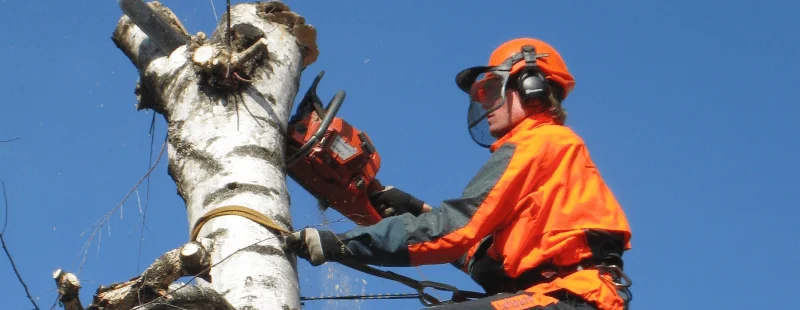
If you’re leaning more toward full tree removal services, the steps are similar, although the stakes and responsibilities are higher. Tree removal requires larger equipment, stricter safety measures, and the ability to handle more complex job sites. This means you’ll need a solid understanding of cutting techniques, rigging, stump removal, and risk assessment.
You’ll follow the same main steps: create a clear business plan for your tree removal business profitable services, secure your permits and insurance, and build up your tool set. In addition, it’s worth investing in advanced training. Many successful tree removal business owners earn certifications in climbing, chainsaw safety, and aerial rescue. These qualifications make your work safer and help you stand out to clients who value true expertise.

You Need to Have a Business Plan
A tree service business is a great business venture. It's sustainable; there will never be trees that won't need your attention. It's a steadily growing industry currently worth $29 billion. Plus, it can be easily run from your home. You can even start out as a part-time business if you don't want to commit to it full-time yet.
Of course, that doesn't mean that starting a tree removal business is going to be easy. It will require you to be a skilled arborist. Along with years of experience in the tree service industry, you'll need to have business management, pricing, and customer service skills. Not to mention, you'll need tools and an actual tree service business plan.
How to Start a Tree Removal Business?
If you're serious about starting this enterprise, our "How to Start a Tree Removal Business" guide should help you determine what you'll need to succeed.
| Service Type | How to Start (USA) | How to Start (Canada) |
|---|---|---|
| Emergency tree removal service | Register your business, obtain liability insurance and workers’ compensation, secure 24/7 response equipment (chainsaws, trucks, safety gear), and meet state safety standards (OSHA). Build partnerships with local municipalities and insurers. | Register the business provincially, carry commercial liability insurance, workers’ compensation (WSIB/WCB), and emergency-response equipment. Meet provincial safety standards and consider partnerships with local governments and insurers. |
| Crane tree removal service | Obtain crane-operation certification if required by your state, meet OSHA crane safety standards, purchase or lease a crane, and carry heavy-equipment insurance. Hire certified crane operators. | Meet provincial crane-operation certification requirements, follow CSA crane safety standards, lease or purchase a crane, and carry additional heavy-equipment insurance. Hire certified operators. |
| Tree removal service cost | Research local market prices, typically based on tree size, location, and equipment needed. Costs vary by state but generally range from small ($150–$300) to large removals ($1,000+). | Research local provincial pricing. Costs follow a similar structure: small removals ($200–$400) and large removals ($1,000+), depending on accessibility, labor, and equipment. |
| Local tree removal service | Register your business at the state level, carry liability insurance, obtain necessary permits where required, and follow OSHA safety guidelines. Market locally through Google Business Profile and local ads. | Register the business provincially, carry the required insurance, check local municipal permit needs, and meet provincial safety standards. Market through local directories and community advertising. |
| Residential tree removal service | Obtain business registration, liability insurance, and equipment. Follow state regulations for residential property work. Build trust through certifications (ISA, TCIA). | Register provincially, carry liability insurance and workers’ compensation, and follow local bylaws for residential work. Certifications (ISA, provincial arborist certs) improve credibility. |
What Do I Need to Start a Tree Removal Business?
Starting a tree service company, or any other type of company for that matter, can be overwhelming. In this section, we'll list down everything you'll need to accomplish to serve as your checklist. Later on, we'll tackle each task to give you a better idea of how to cross it off your to-do list.
-
Writing a business plan
-
Acquiring capital
-
Choosing a legal entity
-
Registering your company
-
License and certification
-
Setting up your accounting system
-
Acquiring equipment and crew
-
Getting insurance
-
Promoting your business
How to Write a Tree Service Business Plan
A business idea can never turn into a real professional tree removal service without a solid plan. Your business plan will serve as your roadmap, outlining the focus and purpose of your company, how you plan to reach your goals, and the timeline for achieving them. With a clear plan in place, you can monitor your progress and measure your business growth.
So, how do you write a business plan? The truth is, there’s no single “correct” way to do it. What matters most is creating a plan that meets your needs. If you’re writing the plan for yourself, the lean startup format is a great option. It highlights the key elements of your business, including your value proposition, revenue streams, cost structure, key resources, partnerships, activities, and customer segments. We’ll explore some of these elements in more detail below.
Acquiring Capital
How much money do you actually need for starting a tree trimming business? The truth is, it varies. Your total startup cost depends on the services you want to offer, the equipment you purchase, the number of people you plan to hire, and even the tree removal business software you choose to manage your operations. In general, most tree care businesses require anywhere from $10,000 to $50,000 to get started.
To understand your specific costs, create a simple spreadsheet outlining all your expected expenses. Include license fees, permits, equipment, insurance, branding, marketing, and more. Don’t forget to factor in the amount you’ll need to keep your business running for at least a year, including operational costs, salaries, supplies, and your own income.
Once you have an estimate of your total capital needs, you can explore funding options. These may include small business loans, personal savings, grants, crowdfunding, or bootstrapping. Choose the option – or combination – that best fits your situation and helps you get your business off the ground.
Define Your Revenue Streams and Key Partnerships
How will your tree service company make money? What services will you be providing? What are the types of jobs that you can do and what jobs will you subcontract to other companies? For example, you can specialize in tree trimming and removal while you subcontract another tree company for tree health inspection and treatment. You can also choose to subcontract YOUR tree maintenance services to landscaping companies. Other services that you might be interested in offering include tree pruning, stump grinding, tree bracing, tree planting, tree storm repairs, and fertilization.
How Much Can You Earn with a Tree Care Business?
When considering how to start a tree cutting business it’s important to understand the financial potential of a tree service business. Earnings in this industry can vary widely based on factors like location services offered and size of the company. Typically small tree care businesses generate annual revenues ranging from $100000 – $500000. As such income increases significantly due specialization into emergency removal, high demand commercial care, setting competitive prices, building loyalty through exceptional quality are key strategies for maximizing earnings of your service.
Professional Tree Care Services Pricing
Pricing is among critical aspects when starting a tree service business. Competitive involves balancing affordability clients while ensuring profitability. Consider operational costs local market rates complexity services of tree removal business provided. Research competitors gain insight positions accordingly. Transparent detailed quotes benefits.
How To Set Up Your Tree Service Business Company?
Starting a tree trimming business yourself requires several critical steps that ensure smooth sailing at startup stage:
-
Begin by choosing legal structure i.e sole proprietorship partnership LLC Corporation
-
Register local state authorities
-
Obtain necessary licenses certifications specific area
-
Establish dedicated account setting up system essential managing finances
-
Additionally investing software streamline operations
-
Also hiring skilled personnel acquiring should be done
But most importantly if all these things done correctly then succeed in tree business where many others have failed.
What Are Tree Service Business Pros and Cons?
Starting a tree service or tree cutting business comes with both advantages and challenges. On the positive side, the steady demand for tree removal and maintenance provides a consistent source of income. You also get the satisfaction of working outdoors and contributing to environmental conservation.
However, there are some challenges to consider. The work is physically demanding, often requiring heavy lifting, climbing, and long hours. Additionally, the seasonal nature of tree care can lead to fluctuating workloads, which may affect income stability. Understanding these pros and cons can help you make more informed decisions before starting your business.
Pros:
-
Steady demand ensures consistent work.
-
Opportunity to work outdoors and enjoy nature.
-
Contributing to community safety and environmental conservation.
-
Potential for growth and expansion with the right strategy.
Cons:
-
Physically demanding work.
-
Seasonal fluctuations can lead to inconsistent workloads.
-
Requires investment in specialized equipment and safety gear.
-
Potential safety risks if proper precautions are not followed.

Defining Your Target Market
Who are your customers? Will you offer your tree care service to residential clients only? Or will you include commercial clients? While you'll encounter more clients in residential areas, a lot of the profit and steady income will come from servicing commercial properties. This is because these properties require constant upkeep. Offering them your services on a monthly basis will help ensure a steady stream of income for your business.
Choosing a Legal Entity
You can structure your tree removal business as a sole proprietorship, partnership, LLC, or a corporation. The legal entity you choose will have an impact on your business name, taxes, and liability. You may want to consult with an accountant or a lawyer to help you choose the best structure for your company.
Choosing Your Business Name and Logo
Choosing a business name is not easy. You want to pick one that is professional, easy to remember, and gives a clear idea of what your company does - tree removal services. Remember, this is the name that will appear on the side of your trucks, your social media pages, uniforms, and documents (i.e. quotes and invoices). You'll need to take some time in choosing what says "tree service company" best. Just don't take too long that it prevents you from starting your business altogether.
Once you have the name, it's time to determine what your logo will be. Like your business name, this will also appear everywhere from your documents and business cards to your marketing paraphernalia. Take note that hiring a professional graphic designer is not always necessary. There are platforms that enable you to create your own such as Canva.
Pro Tip: make sure to check if the name and logo have been trademarked or are currently in use before making any final decisions.
Registering Your Tree Removal Business
You will need to register your business with the local and state agencies. You may also need to register with the federal government, especially if you want trademark protection. The registration process will vary depending on the type of entity you choose and the area where you will be conducting your business. Get in touch with your local municipality for instructions and requirements, so you can prepare your documents as well as money for the permits and fees.
Pro Tip: don't forget to register your domain name and social media accounts while you're at this stage. Securing it early ensures that no one else takes it before you can get around to setting things up.

Register for Taxes
Get an employer identification number or EIN from the IRS. This is necessary if you want to open a business bank account, obtain business loans, and establish business credit as a professional arborist. An EIN also enables you to file business taxes, adds credibility, and prevents identity theft.
License and Certification
You will need to acquire certain permits and licenses in order to operate your tree removal business. You will need to do some research to find out what types of licenses and permits are required by your local and state agencies for small businesses.
How to Get a Tree Service License
While you don’t generally need a national “tree service license” to become an arborist, requirements vary widely by state (USA) or province (Canada). Many areas require business licenses, contractor licenses, and/or professional certification before you can legally operate a tree care business. Always check with your local and state/provincial agencies for exact rules in your area.
Steps to Get Licensed in the USA
-
Check your sState’s requirements. Licensing for tree service varies: some states like California, Connecticut, and Maryland require a specific arborist or tree care license, while others do not. Many states instead require a contractor’s license for tree work over a certain cost threshold.
-
Register your business. Formally register your business with your state government (e.g., LLC, corporation) and obtain your local business license before applying for any tree service‑related license.
-
Gain required experience or education. Some licenses – like California’s C‑49 Tree and Palm Contractor – require multiple years of documented experience in tree care work.
-
Pass required exams. In states that mandate licensing, you may need to pass one or more exams, such as a law and business exam and a trade‑specific test for tree service work.
-
Secure insurance and bonds. Most states require general liability insurance, workers’ compensation coverage, and sometimes a contractor bond before issuing a license.
-
Maintain and renew Your license. Keep your license active by renewing it regularly and meeting continuing education or insurance requirements.
Steps to Get Licensed or Certified in Canada
-
Check provincial requirements. Canada does not have a single national tree service license – each province sets its own standards. In many provinces, you may not need a formal license to offer basic tree services, but certain permits and certifications may be required for higher‑risk work.
-
Consider professional certification. The International Society of Arboriculture (ISA) Certified Arborist credential is widely recognized across Canada and can improve credibility and contract opportunities.
-
Gain experience or complete training. You may need several years of experience or completion of arboriculture/forestry programs to qualify for professional certification or advanced provincial credentials.
-
Apply for provincial permits. Some provinces require licensing or qualification certificates (e.g., Ontario’s Qualified Arborist, general contractor permits, or pesticide applicator licenses) for certain types of tree work.
-
Obtain insurance and safety clearance. Most Canadian municipalities require workers’ compensation coverage (e.g., WSIB or WorkSafeBC) and general liability insurance before issuing operating permits.
Tips for Both the USA & Canada
-
Professional certification (like ISA) isn’t always mandatory, but it greatly enhances credibility and may be required for municipal or commercial contracts.
-
Check local city or county rules – some areas regulate tree care independently of state/provincial requirements.
Certification
Technically, you don't need to be certified as an arborist to operate a tree removal business. You can just employ people who have training in tree care. Usually, training in this industry is done on the job. But you can also acquire certification from the International Society of Arboriculture (ISA) by joining their training programs.
Setting up your Accounting System
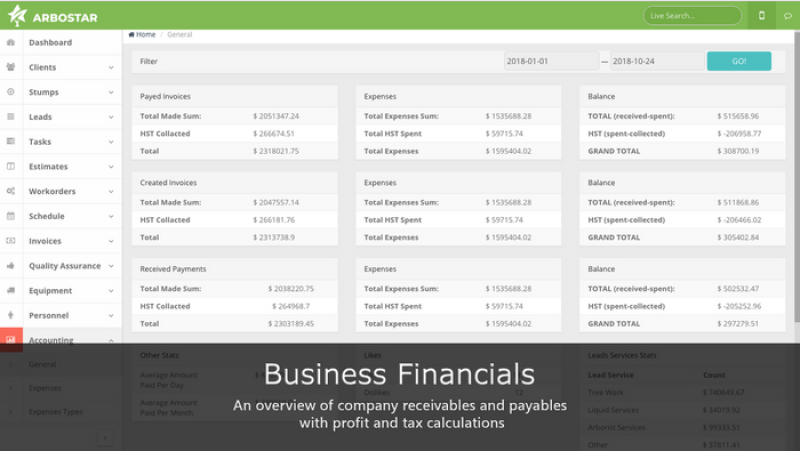
Open a business bank account as well as a business credit card for your tree removal company. It's important that you separate your personal finances from your business finances. You also need to set up an accounting system that will help you create, manage, and oversee the budget. This will also allow you to set and adjust your rates, and file your taxes. You can choose to do this on your own or get an accountant to do it for you.
Pro tip: aside from getting accounting software, we recommend that you get tree service business management software. This software will enable you to accept bookings, schedule jobs, track hours, and submit quotes as well as invoices. It will help you run your business more efficiently.
Acquiring Equipment and Crew for your Tree Care Company
What are the essentials when you're starting a tree service company? How many people should you hire as your crew? The answers to these questions will depend on what services you are going to offer and how big of an operation you want to run.
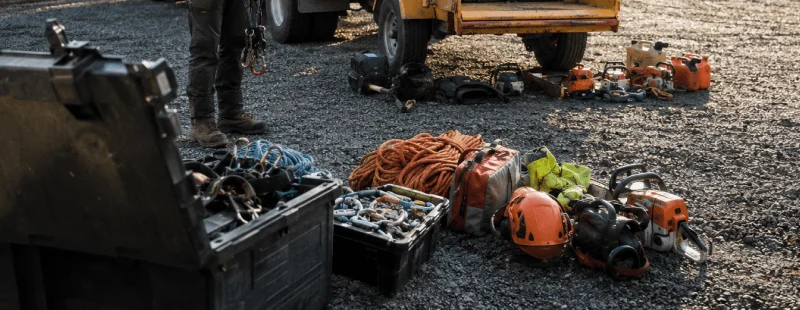
The tools that you most likely will need are:
-
ladders
-
saws (chainsaw, climbing saw, ladder saw, and pole saw)
-
helmets
-
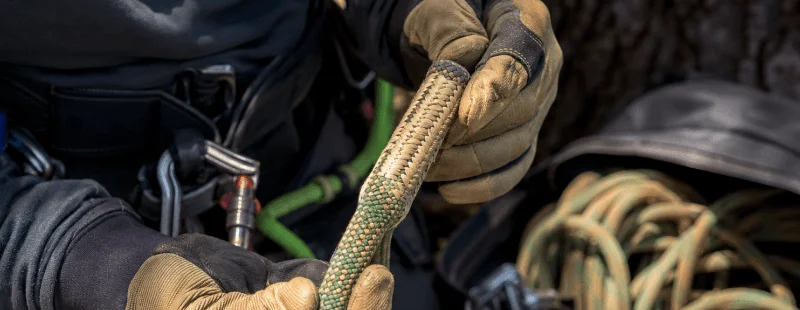
climbing ropes
-
bucket truck
-
stump grinder
-
ear protectors
-
eye guards
-
bush hogs
-
mini skid steers
-
brush chippers
-
block trailers
-
bull ropes
-
climbing boots
-
orange cones
-
oil can
-
clips
-
wedges
As for your crew, you can choose to go solo in the beginning and just subcontract jobs to other tree care companies. You can also choose to hire a small crew and hire more people once your client list starts to grow. Apart from investing in high-quality tools and safety gear, having an all-in-one business management solution like ArboStar can help streamline crew scheduling, job tracking, and client communication.
What Equipment Do I Need To Start a Tree Service Business?
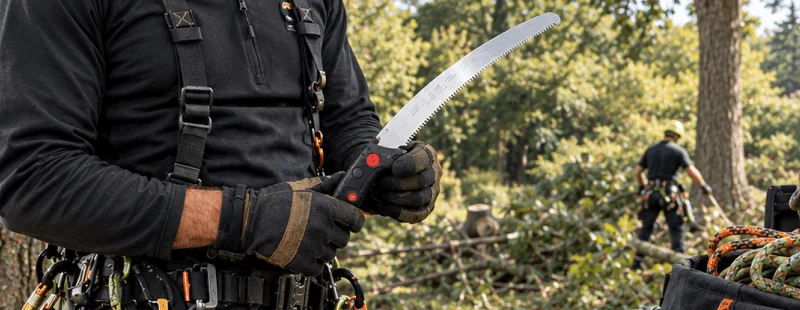
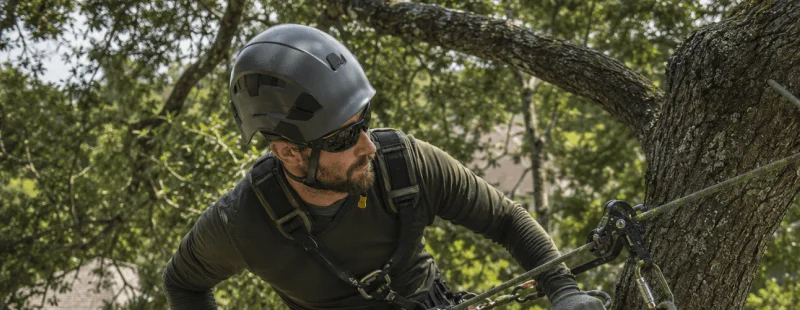
If you’re starting a tree care company, it’s important to understand the equipment needed to start a tree removal business, since the right tools will help you work safely and efficiently. The basics include chainsaws, climbing saws, ladders, and sturdy climbing ropes. Safety gear is equally important: helmets, eye protection, ear protection, gloves, and proper footwear.
For larger jobs, you may also need heavy-duty equipment such as bucket trucks, mini skid steers, and stump grinders. Reliable transport vehicles are essential too, especially when handling multiple projects or moving equipment between sites.
Investing in quality tools and protective gear reduces risks and helps your business operate smoothly. Proper preparation ensures you and your team stay safe while delivering professional, dependable service.
Get Insurance for your Tree Care Company
Tree removals and other professional tree care services involve dangerous work, especially when you’re starting a tree removal business. You’ll be operating equipment that comes with real risks, including saws, axes, and ladders. Even with good safety practices, accidents can still happen.
To protect yourself and your clients, you’ll need general liability insurance, equipment insurance, and worker’s compensation coverage. These policies help cover property damage, injuries, and other unexpected incidents. Make sure to compare different insurance providers so you can get the best coverage and terms for your new tree care business.
Promoting Your Tree Service Business
Word of mouth and referrals are usually the main marketing channel for tree care businesses, especially for services like a fallen tree removal service. However, since you're just starting out, you’ll need to do more to get your company noticed. This means investing in both offline and online marketing.
Use social media to increase your visibility, and build a simple but professional website so people can easily find you when they search for your services on Google. You can also print flyers and business cards to hand out in your community. Taking out a local newspaper ad or offering coupons and free estimates can help attract your first customers as well.
These activities cover the basics of establishing a professional tree service company. Remember that success doesn’t happen overnight. You’ll need time, commitment, and consistent effort to grow. With a solid plan and steady follow-through, you’ll greatly increase your chances of building a successful business.
How To Make Your Tree Care Business More Profitable?
To make your tree service successful, you need a clear plan and a strategic approach. Consider diversifying your services, for example by offering a commercial tree removal service, so you can work with more clients and increase your income. Efficient scheduling and good management practices will help you stay productive while keeping costs under control.
Marketing is also important. Use both offline and online channels to improve visibility and attract new customers. Strong customer service will encourage repeat business and bring in referrals.
To stay competitive, keep your skills updated and invest in reliable equipment. By focusing on these core areas, you can steadily grow your tree care business and improve overall profitability.
FAQ
How much money do I really need to start a tree removal business?
Most new tree removal businesses can launch with $10,000–$50,000, depending on whether you buy new or used equipment and if you start solo or hire a small crew right away. This covers essentials like chainsaws, climbing gear, a reliable truck, insurance, licenses, and enough working capital to cover the first few months of expenses. Starting small and reinvesting early profits is a common way owners keep initial costs on the lower end.
Do I need to be a certified arborist to start a tree removal company?
No, certification is not legally required in most places to own the business, but having at least one ISA-certified arborist on staff (or becoming certified yourself) greatly improves credibility and helps win bigger jobs. Many successful owners start without the certification and either train on the job or hire certified climbers later. It’s more about proving you can do the work safely and professionally than having a specific credential from day one.
Is tree removal really a profitable business?
Yes, small to mid-sized tree care companies commonly gross $100,000–$500,000 per year once established, with profit margins of 10–30% after expenses. Profitability increases quickly if you add recurring services (pruning contracts, emergency storm work, commercial maintenance) and control overhead with good scheduling and equipment maintenance. The combination of steady local demand and relatively low competition in many areas makes it one of the stronger trades to enter.
What insurance do I absolutely need before taking the first job?
At minimum you need general liability insurance (usually $1 million–$2 million coverage), workers’ compensation (required in almost every state/province if you have employees), and commercial auto coverage for your trucks and trailers. Many clients, especially commercial property managers and municipalities, will also ask to see proof of insurance before hiring you. Skipping or under-insuring even once can wipe out your business if an accident happens.
Can I start a tree removal business part-time or from home?
Absolutely – many successful companies begin as part-time, home-based operations using the owner’s personal truck and basic tools while keeping a day job. You store equipment in a garage or rented storage unit, run everything from a home office, and scale up only after cash flow is consistent. This low-overhead approach lets you test the market and build a client base without quitting your current job right away.
How fast can I expect to get my first paying customers?
With aggressive local marketing (Google Business Profile, door hangers, Nextdoor posts, and joining local Facebook groups), most new owners land their first jobs within 2–6 weeks of being fully insured and licensed. Offering free quotes, storm-response readiness, and a referral discount speeds this up dramatically. Word-of-mouth kicks in strongly after your first 10–15 jobs, so the early hustle is the hardest part.